David Benjamin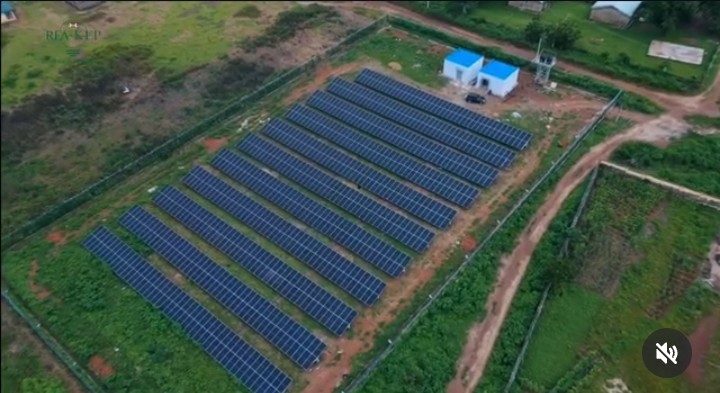
Nigeria’s push for rural electrification is entering a decisive phase as the Rural Electrification Agency targets an expanded rollout. REA budget 2026 Nigeria, reportedly set at about ₦170 billion for over 500 projects, signals bold ambition. However, the gap between allocation and execution remains a critical concern. As a result, questions are growing about delivery capacity and long term sustainability.
REA budget 2026 Nigeria and scale of ambition
The proposed budget reflects a significant increase in funding for rural power projects. It aims to accelerate mini grid deployment across underserved communities. Therefore, millions of Nigerians could gain access to electricity.
In addition, the plan aligns with national energy access goals. Expanding power supply in rural areas supports economic development. Consequently, small businesses and households can operate more efficiently.
Furthermore, the scale of over 500 projects shows intent to move quickly. However, rapid expansion often introduces complexity. As a result, execution becomes just as important as funding.
Delivery challenges in mini grid rollout
Despite strong budgetary commitments, on ground delivery has faced persistent challenges. Project delays, funding bottlenecks, and logistical constraints continue to affect timelines. Therefore, many communities still wait for promised electrification.
In addition, infrastructure limitations in remote areas complicate deployment. Poor road access and security concerns increase project costs. Consequently, implementation becomes slower and more expensive.
Moreover, coordination between stakeholders remains a challenge. Developers, local authorities, and communities must align effectively. As a result, misalignment can delay or disrupt projects.
REA budget 2026 Nigeria and accountability concerns
Large scale funding naturally raises questions about transparency and accountability. Stakeholders want clear reporting on how funds are allocated and used. Therefore, monitoring mechanisms must be strengthened.
In addition, past experiences with public projects influence public perception. Delays or incomplete projects can reduce trust. Consequently, REA must demonstrate measurable progress.
Furthermore, data driven tracking systems can improve oversight. Real time updates on project status would enhance credibility. As a result, stakeholders can assess performance more accurately.
Balancing ambition with execution capacity
Ambition alone cannot deliver rural electrification. Execution capacity must match financial investment. Therefore, REA needs to strengthen its operational framework.
In addition, partnerships with private sector developers can improve efficiency. These collaborations bring technical expertise and innovation. Consequently, projects can be completed faster and more effectively.
Meanwhile, community engagement remains essential. Local involvement ensures better project adoption and maintenance. As a result, mini grids are more likely to succeed long term.
Implications for Nigeria’s energy future
The success of the REA budget will shape Nigeria’s energy landscape. Reliable rural electrification can unlock economic potential across regions. Therefore, it plays a key role in national development.
However, failure to deliver could widen the gap between policy and reality. This would affect investor confidence and public trust. Consequently, the stakes are high for effective implementation.
Similarly, the mini grid model remains promising if properly executed. It offers a flexible and scalable solution to energy access challenges. As a result, refining delivery strategies is essential.
Conclusion
REA budget 2026 Nigeria reflects strong ambition to expand rural electrification. The Rural Electrification Agency now faces the challenge of translating funding into results. As a result, success will depend on execution, accountability, and stakeholder coordination. Furthermore, bridging the gap between plans and delivery will determine the true impact of this investment.



![[VIDEO]: Fela’s Catalogue Fully Owned, Controlled By Family — Femi Kuti](https://occidentalview.com/storage/2026/04/default_logo_69e2ad660fdea.png)