David Benjamin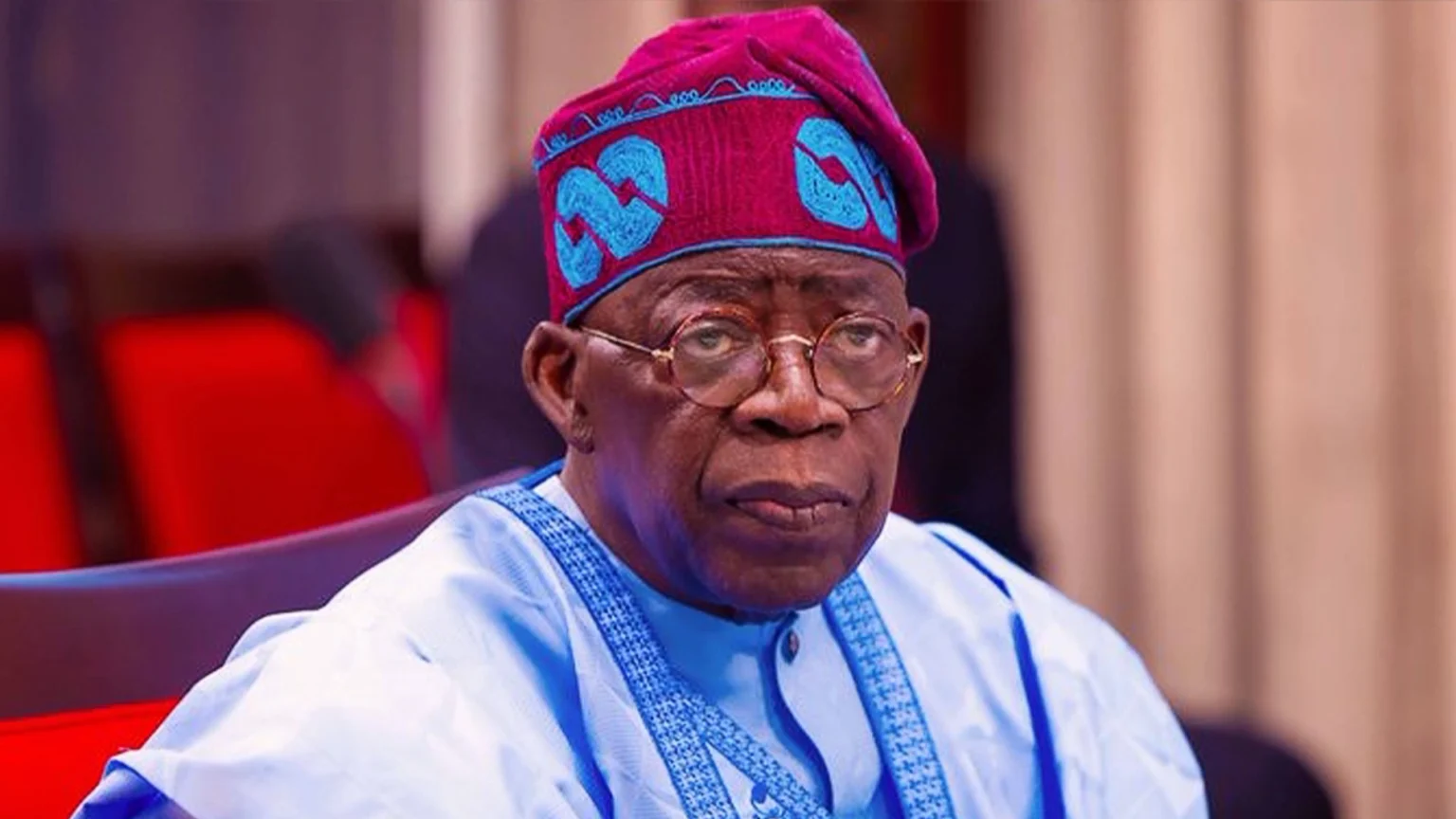
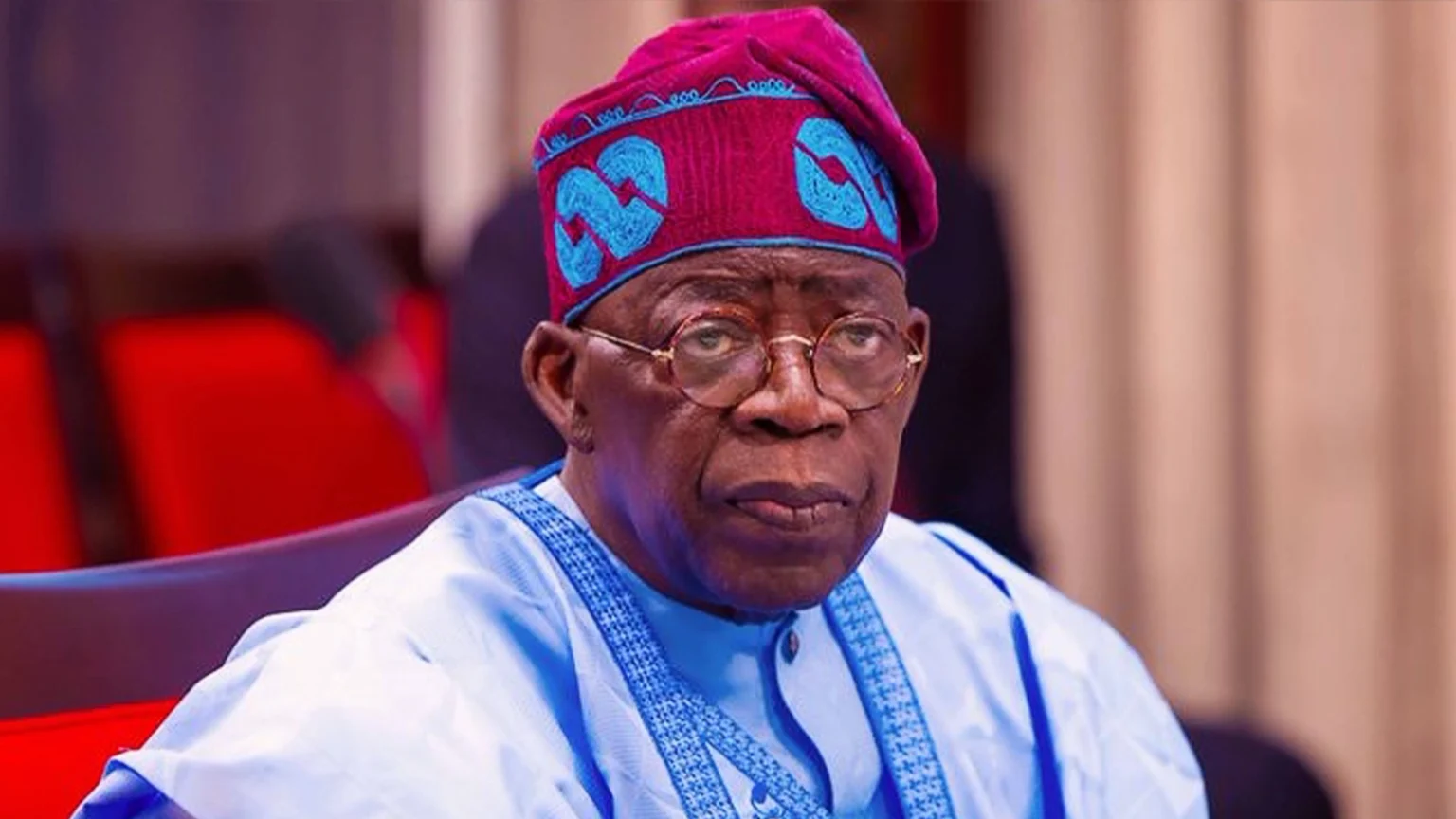
Zacch Adedeji, Executive Chairman of the Nigeria Revenue Service (NRS), has highlighted a major shift in the nation’s fiscal performance. According to him, the bold reform decisions of Bola Ahmed Tinubu significantly increased monthly revenue generation.
He revealed that Nigeria’s monthly revenue rose from N711 billion in May 2023 to over N3.635 trillion by September 2025. This represents an impressive 411 percent growth within a relatively short period.
A Turning Point in Revenue Performance
This sharp increase signals a major transformation in Nigeria’s revenue system. For years, revenue generation faced challenges such as leakages, inefficiencies, and weak compliance. However, recent reforms appear to have addressed many of these issues.
The new approach focuses on strengthening systems and improving accountability. As a result, revenue collection has become more efficient and transparent.
Drivers Behind the Growth
Several factors contributed to this remarkable increase. First, the government introduced reforms aimed at simplifying the tax structure. These changes reduced confusion and improved compliance among taxpayers.
In addition, authorities strengthened monitoring mechanisms. This helped reduce revenue leakages and ensured that more funds reached government accounts.
Digital transformation also played a key role. By adopting modern technology, the revenue system became faster and more reliable. Consequently, tax collection improved across multiple sectors.
Boosting Confidence in the Economy
This level of growth sends a strong signal to investors and stakeholders. It shows that Nigeria is taking steps to build a more stable and predictable fiscal environment.
Higher revenue gives the government more capacity to invest in infrastructure, education, and social services. These investments, in turn, support economic growth and improve living standards.
Moreover, improved revenue performance can reduce reliance on borrowing. This helps strengthen the country’s financial position over time.
Sustaining the Momentum
While the growth is impressive, sustaining it remains critical. Consistency in policy implementation will determine long-term success. Authorities must continue to improve transparency and maintain discipline across all levels.
Equally important is building public trust. When citizens see how revenue is used, compliance tends to increase. Therefore, accountability should remain a top priority.
Looking Ahead
The figures shared by Zacch Adedeji reflect more than just numbers. They represent the potential of effective leadership and strategic reform.
Under the direction of Bola Ahmed Tinubu, Nigeria’s fiscal landscape is evolving. The challenge now lies in maintaining this progress and ensuring that growth translates into real economic benefits for citizens.
If sustained, this momentum could mark a new chapter in Nigeria’s economic development—one driven by efficiency, accountability, and long-term prosperity.


![[VIDEO]: Fela’s Catalogue Fully Owned, Controlled By Family — Femi Kuti](https://occidentalview.com/storage/2026/04/default_logo_69e2ad660fdea.png)