David Benjamin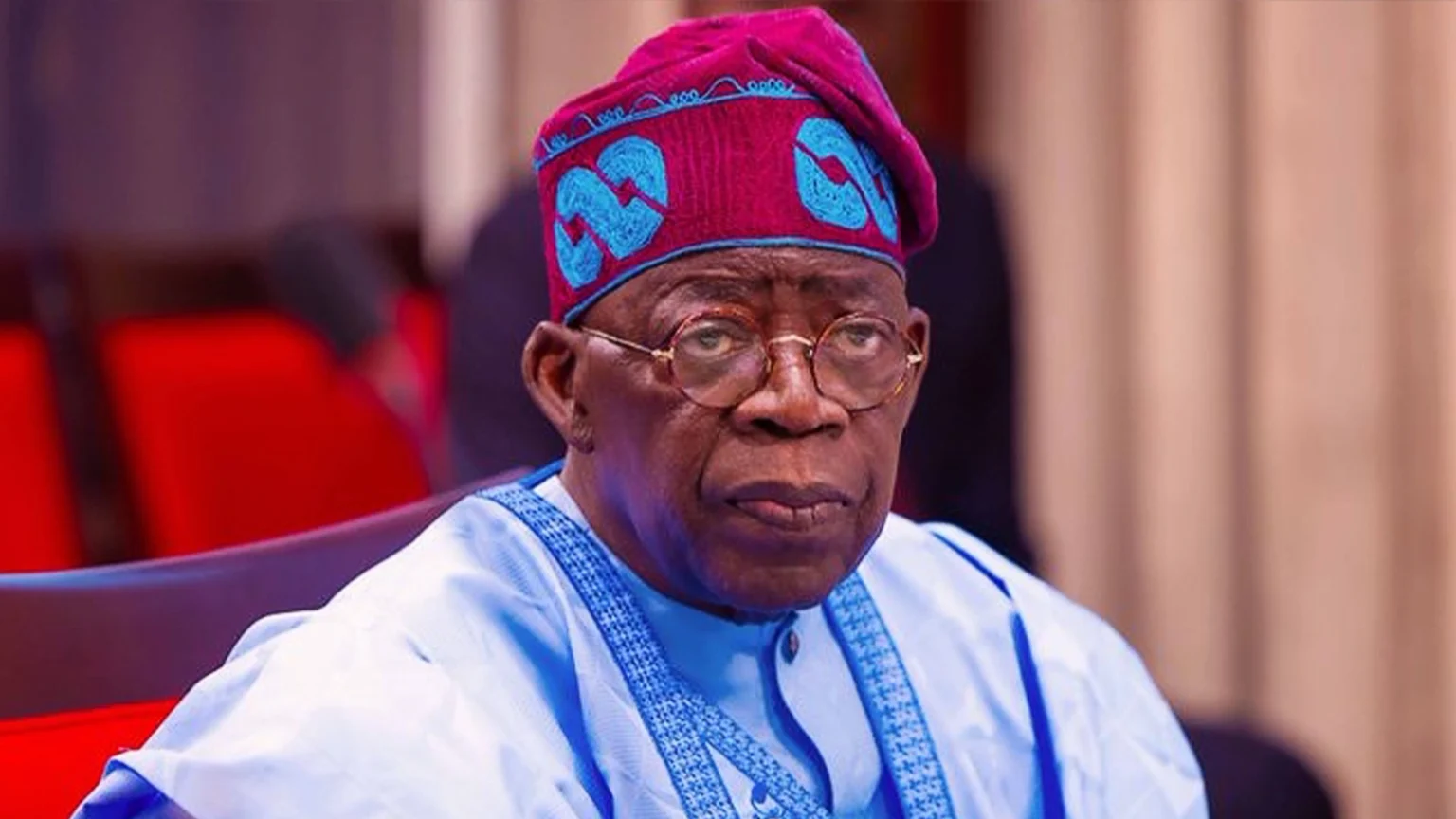
President Bola Ahmed Tinubu has assured Nigerians that the Federal Government has established robust mechanisms to prevent a recurrence of the devastating floods that affected several communities across the country in 2024.
He emphasized that the painful experiences from the 2024 flooding served as a wake-up call. Therefore, the government has taken deliberate steps to strengthen preparedness and response systems.
This assurance reflects a renewed commitment to protecting lives, property, and critical infrastructure.
Lessons Learned from the 2024 Flooding
The floods of 2024 exposed significant gaps in disaster management and environmental planning. Many communities suffered displacement, economic losses, and disruption of livelihoods.
However, President Bola Ahmed Tinubu noted that those challenges have informed new strategies.
Government agencies have since reviewed their approaches and introduced improved coordination mechanisms.
As a result, Nigeria is now better positioned to respond to future environmental threats.
Strengthening Early Warning Systems
One of the key measures involves enhancing early warning systems.
Accurate forecasting and timely communication can help communities prepare ahead of flooding events.
Therefore, the government has invested in improved data collection and monitoring systems.
These tools enable authorities to track weather patterns and predict potential risks more effectively.
In addition, public awareness campaigns ensure that citizens receive timely information.
Improving Infrastructure and Drainage Systems
Infrastructure development plays a critical role in flood prevention.
The administration has prioritized the construction and rehabilitation of drainage systems across vulnerable areas.
By improving water channels and urban planning, the government aims to reduce the impact of heavy rainfall.
Furthermore, strategic investments in dams and water management systems support better flood control.
Enhancing Inter-Agency Collaboration
Effective flood prevention requires coordination among multiple agencies.
President Bola Ahmed Tinubu highlighted efforts to strengthen collaboration between environmental, emergency, and infrastructure bodies.
This integrated approach ensures faster response times and more efficient resource allocation.
Moreover, partnerships with state governments and local communities enhance implementation at the grassroots level.
Protecting Communities and Livelihoods
Flood prevention goes beyond infrastructure. It also involves safeguarding livelihoods and ensuring community resilience.
The government is supporting vulnerable communities through planning and preparedness programmes.
These initiatives help residents adapt to changing environmental conditions.
As a result, communities become more resilient and better equipped to handle future challenges.
Looking Ahead
President Bola Ahmed Tinubu expressed confidence that the new measures will significantly reduce the risk of widespread flooding.
He urged citizens to cooperate with authorities and adhere to environmental guidelines.
Ultimately, the government’s proactive approach signals a shift toward long-term solutions.
With sustained efforts, Nigeria can mitigate flood risks and build safer, more resilient communities for the future.



![[VIDEO]: Fela’s Catalogue Fully Owned, Controlled By Family — Femi Kuti](https://occidentalview.com/storage/2026/04/default_logo_69e2ad660fdea.png)