David Benjamin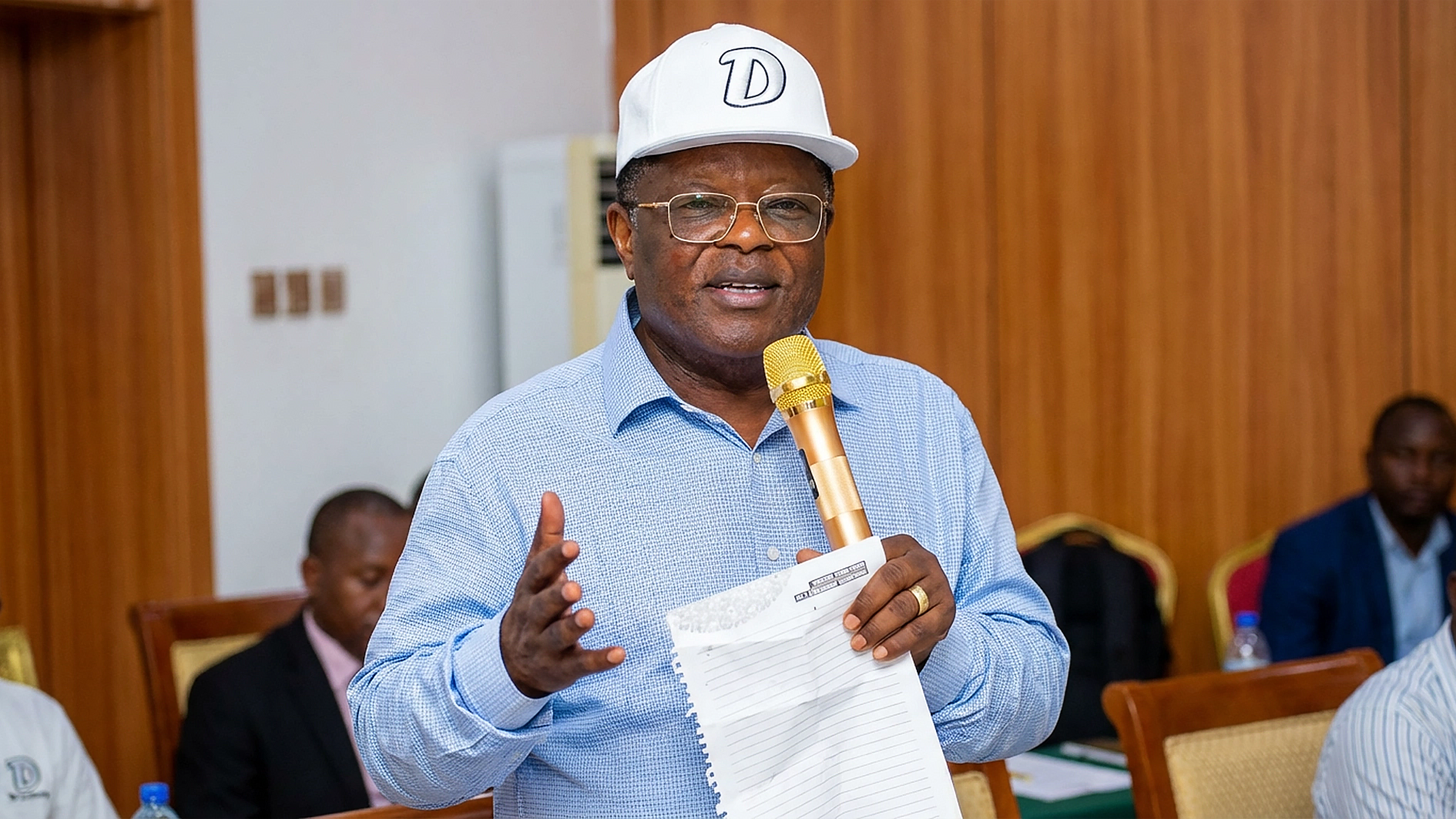
Umahi infrastructure legacy projects represent a bold vision for Nigeria’s transportation future. David Umahi serves as Nigeria’s Minister of Works under President Tinubu. His approach prioritizes durability and long-term value over quick fixes. Therefore, his road projects aim to last over 100 years. Furthermore, he positions infrastructure as economic transformation tools rather than temporary solutions.
The South-East Transformation Agenda
Umahi infrastructure legacy projects focus heavily on the South-East region. He recently inspected and commissioned sections of the Enugu-Onitsha Expressway. The ministry opened 15 kilometers to traffic in early 2025. Full completion targets 2026 with world-class standards. Consequently, the region experiences renewed federal attention after years of neglect.
The minister emphasizes road thickness and quality construction materials. His projects use specifications designed for minimal maintenance over decades. This approach differs from previous administrations’ standards. As a result, contractors face stricter quality control requirements. Meanwhile, Umahi personally inspects sites to ensure compliance.
Defending the ₦3.4 Trillion Budget
The Minister presented a ₦3.4 trillion 2026 budget proposal to the National Assembly. The session turned chaotic with heated exchanges among lawmakers. Senator Adams Oshiomhole challenged Umahi over contract reassignments. The Abuja-Kaduna road project sparked particular controversy. However, Umahi defended his decisions with technical justifications.
He revealed shocking budget implementation challenges facing the ministry. Only 9% of the 2025 capital budget received actual release. Therefore, contractors remain owed over ₦2.2 trillion for completed works. In addition, he requested ₦7 trillion in additional funding. This includes bonds for legacy and new projects nationwide. Consequently, financial constraints slow project delivery despite political will.
Political Positioning and Regional Support
Umahi infrastructure legacy projects serve dual purposes beyond physical construction. He actively rallies South-East support for President Tinubu’s 2027 re-election. The minister describes Tinubu as a “blessing” to the region. He urges residents to deliver 80% electoral support strategically. Therefore, infrastructure becomes a political bargaining tool.
Critics question this mixing of development with partisan politics. However, Umahi argues results speak louder than rhetoric. The visible road projects demonstrate federal commitment to the South-East. Meanwhile, he challenges opposition to show comparable achievements. As a result, infrastructure delivery becomes campaign material.
Quality Standards and Accountability
The minister stakes his reputation on project quality and completion. He publicly vowed to resign if standards are not met. This bold promise raises accountability expectations significantly. Furthermore, he invites critics to physically inspect ongoing works. Such transparency efforts aim to build public confidence.
Umahi infrastructure legacy projects incorporate modern engineering specifications. Roads feature multiple layers designed for heavy traffic loads. Drainage systems prevent erosion and extend pavement life. Consequently, maintenance costs reduce dramatically over time. The minister frames this as fiscal responsibility despite higher upfront costs.
Contractor Debts and Payment Challenges
Over ₦2.2 trillion owed to contractors threatens project continuity. Many companies struggle financially while awaiting payment. Therefore, some projects experience slowdowns or stoppages. The minister advocates for creative financing solutions. Bond issuances could unlock funds without straining annual budgets.
He emphasizes that contractors deliver quality despite payment delays. This speaks to the ministry’s relationship management approach. Meanwhile, unpaid firms face operational difficulties. In addition, new contractors hesitate bidding on government projects. As a result, the debt crisis requires urgent resolution.
Signature Projects and Timelines
The Bodo-Bonny Road represents another flagship project. Umahi urges continuity despite funding challenges. The Enugu-Onitsha Expressway showcases his quality-first philosophy. Furthermore, the Abuja-Kaduna road faces scrutiny over contractor changes. Each project tests the minister’s delivery capacity.
Completion timelines extend to 2026 for major routes. The minister balances speed with quality requirements. Therefore, some projects take longer than initially projected. However, he argues durability justifies extended construction periods. Meanwhile, public impatience grows over delayed completions.
Economic Impact Vision
Umahi infrastructure legacy projects aim beyond transportation improvements. The minister positions roads as economic transformation catalysts. Better connectivity reduces business costs and improves market access. Consequently, regions with quality roads attract more investment. Furthermore, job creation during construction provides immediate benefits.
Navigating Criticism and Moving Forward
Social media reactions to Umahi’s work remain mixed. Supporters praise his ambition and visible progress. Critics question delivery pace and political motivations. However, the minister maintains focus on long-term objectives. His infrastructure legacy will face judgment over decades, not years.


![[VIDEO]: Fela’s Catalogue Fully Owned, Controlled By Family — Femi Kuti](https://occidentalview.com/storage/2026/04/default_logo_69e2ad660fdea.png)