occidental view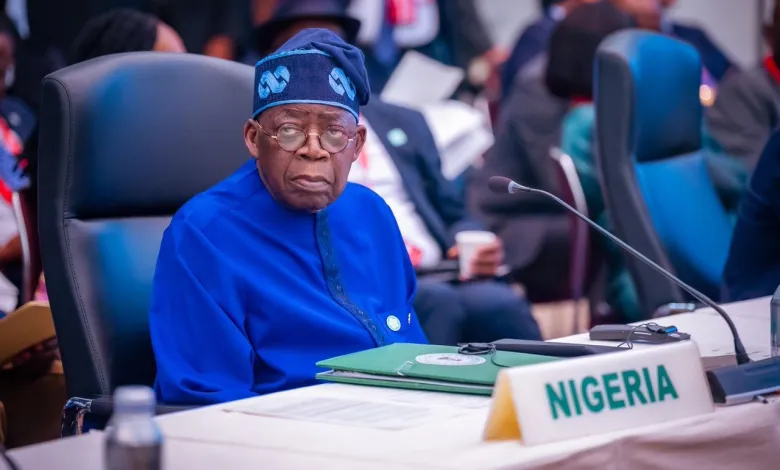
President Bola Ahmed Tinubu has asserted that the naira is on track to strengthen to ₦1,000 against the US dollar in the coming weeks. This optimistic outlook follows ongoing interventions by the Central Bank of Nigeria (CBN) aimed at stabilizing the country’s currency.
CBN Interventions and Economic Impact
The CBN has implemented several strategies to bolster the naira and ensure its resilience in foreign exchange markets according to Tinubu. These interventions are crucial, considering Nigeria’s economy is heavily dependent on oil exports and international trade.
President Tinubu believes these measures will foster a more stable financial environment. By addressing volatility in the foreign exchange market, the government aims to instill public confidence in the naira. A strengthened naira is expected to lower inflationary pressures and stabilize prices for goods and services.
Tinubu’s statements reflect a proactive approach to economic management. He emphasizes the importance of collaboration between government and financial institutions to achieve currency stability. By focusing on these partnerships, the administration hopes to create a favorable business environment that attracts foreign investment.
Implications for Nigerians and Businesses
The anticipated strengthening of the naira carries significant implications for both individuals and businesses in Nigeria. A stronger currency could lead to reduced costs for imported goods, benefiting consumers. This development is crucial as many Nigerians face economic challenges, including high inflation and rising cost of living.
For businesses, especially those that rely on imports, a stable naira can enhance operational efficiency. Lower import costs translate into higher profit margins, enabling companies to reinvest in growth and expansion. Furthermore, a strengthened naira may encourage new investments in various sectors, creating jobs and stimulating economic activity.
However, there are concerns regarding the sustainability of these improvements. Experts warn that reliance on short-term interventions may not provide a long-lasting solution to the underlying issues affecting the naira. A comprehensive economic plan that addresses structural challenges in the economy is vital for ensuring long-term stability.
Looking Forward: The Path to Stability
President Tinubu’s commitment to ensuring the naira strengthens reflects a determination to improve Nigeria’s economic landscape. The ongoing measures by the CBN are important, but they must be complemented by broader reforms.
Sustained efforts to enhance productivity and diversify the economy will be essential. Investing in sectors such as agriculture, technology, and manufacturing can reduce dependency on oil revenues and create a more robust economy.
In conclusion, Bola Ahmed Tinubu’s prediction regarding the naira’s strengthening offers hope for many Nigerians. While the prospects appear promising, it will take coordinated efforts and long-term strategies to realize a stable financial future.
The administration’s commitment to working with the CBN and the private sector is crucial. With sustained focus, the naira can not only achieve the target of ₦1,000 per dollar but also pave the way for enduring economic prosperity for Nigeria.


 David Benjamin