David Benjamin
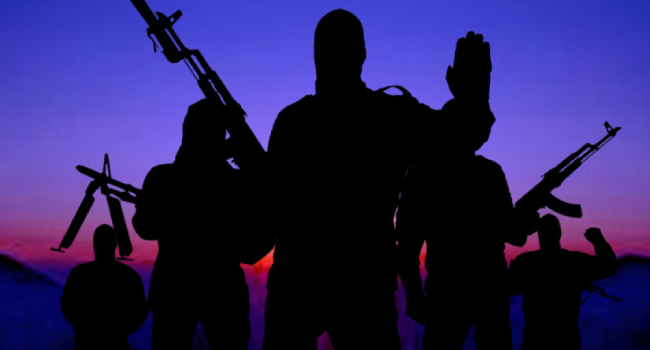
In a decisive move to address escalating violence in Benue State, President Bola Ahmed Tinubu has dispatched top security chiefs to the region. This action responds to the increasing number of killings and unrest that have plagued the area in recent months. Furthermore, the president has ordered immediate peace talks among stakeholders to foster dialogue and restore stability.
Addressing the Crisis
The security situation in Benue has deteriorated, with clashes between herders and farmers leading to significant loss of life and property. Such violence has raised concerns among residents and prompted widespread calls for government intervention. In light of this, President Tinubu’s decision to send security chiefs aims to enhance coordination and response efforts.
During a recent briefing, the president emphasized the need for urgent action to protect lives and property. “The safety of our citizens is paramount. We cannot allow this cycle of violence to continue. We must work together to find lasting solutions,” Tinubu stated. He urged security forces to engage with local communities to understand the root causes of the conflict.
The president’s directive includes establishing a joint task force composed of military, police, and local security agencies. This task force will focus on intelligence gathering, patrols, and conflict resolution initiatives. By increasing security presence in affected areas, the government hopes to deter further violence and reassure residents.
Initiating Peace Talks
In addition to bolstering security, Tinubu has called for peace talks involving community leaders, local government officials, and representatives from various ethnic groups. The goal of these discussions is to foster understanding and collaboration among stakeholders. “We need to create a platform for dialogue where grievances can be aired and addressed constructively,” he explained.
These peace talks will explore solutions to the underlying issues contributing to the violence, such as land disputes, resource management, and livelihood challenges. By bringing together diverse voices, the government seeks to promote reconciliation and build trust within the community.
Several community leaders have expressed support for the president’s initiative. They believe that open dialogue can pave the way for lasting peace. “We appreciate the president’s commitment to resolving this crisis. It is essential for all of us to come together and find a way forward,” one leader remarked.
As security chiefs begin their work in Benue, the hope is that their presence, along with peace talks, will lead to a significant reduction in violence. President Tinubu’s proactive approach reflects a commitment to ensuring the safety and well-being of all Nigerians, particularly in conflict-affected areas.
In conclusion, President Tinubu’s decision to send security chiefs to Benue and initiate peace talks represents a critical step toward addressing ongoing violence. By fostering dialogue and enhancing security measures, the government aims to restore peace and stability to the region, ultimately safeguarding the lives and livelihoods of its residents.


 Brenda Ayomikun
 occidental view

![[VIDEO]: Fela’s Catalogue Fully Owned, Controlled By Family — Femi Kuti](https://occidentalview.com/storage/2026/04/default_logo_69e2ad660fdea.png)