David Benjamin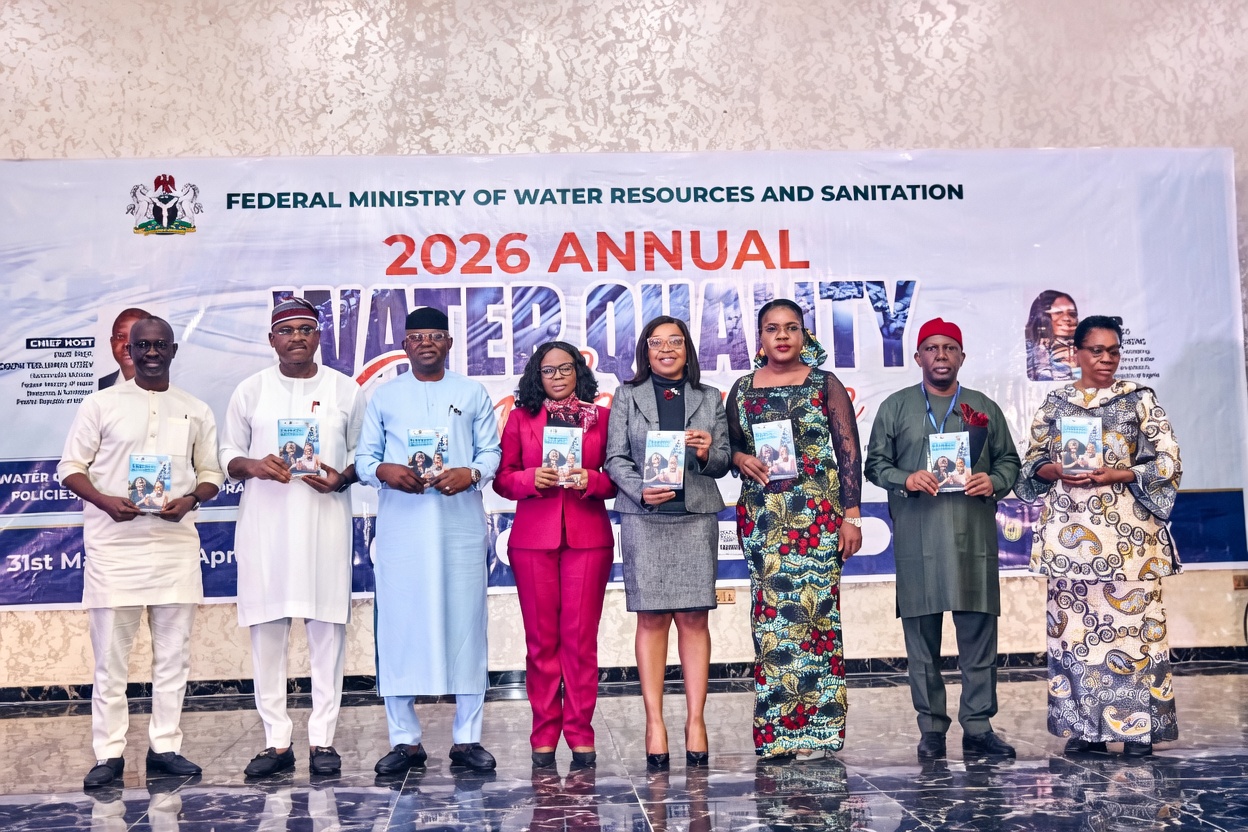
By Doris Obinna
A new national push to improve water safety and public health has been launched in Nigeria, as Nestlé Nigeria Plc, in collaboration with the Federal Ministry of Water Resources and Sanitation and the Organised Private Sector in Water, Sanitation, and Hygiene (OPS-WASH), unveiled a National Water Quality Advocacy Handbook aimed at equipping citizens with practical tools to safeguard the water they use daily.
The handbook was formally introduced at the Annual Water Quality Conference held in Abuja, marking a key milestone in a broader national advocacy campaign focused on improving water quality standards and strengthening public awareness. The initiative seeks to bridge the gap between technical knowledge and everyday practices by translating complex water safety principles into clear, accessible guidance for households, communities, policymakers and industry stakeholders.
According to officials, the handbook provides step-by-step information on identifying potential risks in water sources, ensuring safe handling and storage, applying basic household water treatment methods and protecting community water systems. It also emphasises that water which appears clean may still contain harmful contaminants, underscoring the importance of vigilance and consistent safety practices.
The Minister of Water Resources and Sanitation, Joseph Utsev, described the initiative as a crucial step towards improving national water outcomes. He noted that sustained education and awareness are essential to changing behaviours at the grassroots level, where water is most frequently handled and consumed. He stressed that empowering individuals and communities with knowledge would help reduce health risks associated with unsafe water.
Representing the Managing Director of Nestlé Nigeria, the Corporate Affairs and Sustainability Lead, Victoria Uwadoka, highlighted the company’s long-standing commitment to water stewardship. She said that while ensuring safe, high-quality water remains central to the company’s operations, its responsibility extends beyond production to protecting shared water resources and supporting communities in accessing safe water.
She explained that the development of the handbook reflects a collaborative effort to strengthen water quality standards nationwide, adding that promoting safer practices among families and individuals is critical to achieving long-term impact.
Also speaking at the event, the National Coordinator of OPS-WASH, Nicholas Igwe, emphasised the need for coordinated action across sectors. He said improving water quality in Nigeria requires alignment between policy frameworks, technical interventions and community-level implementation. He noted that the handbook would serve as a tool for raising awareness, identifying gaps and mobilising both technical and financial support to address ongoing challenges in water and sanitation.
Stakeholders involved in the initiative indicated that the handbook would be widely distributed through both digital platforms and physical channels, including partnerships with community-based organisations such as Rural Water Supply and Sanitation Agencies. A nationwide sensitisation campaign is also planned to drive adoption of safe water practices at the grassroots level.
With millions of Nigerians still facing challenges related to water quality and access, the initiative is expected to play a significant role in promoting healthier communities and reducing waterborne diseases. Organisers have called on citizens, community leaders and institutions to actively engage with the handbook and incorporate its recommendations into daily practices, as part of a collective effort to make water safety a national priority.
The post Public health: FG, Nestlé launch national water quality handbook appeared first on The Sun Nigeria.


![[VIDEO]: Fela’s Catalogue Fully Owned, Controlled By Family — Femi Kuti](https://occidentalview.com/storage/2026/04/default_logo_69e2ad660fdea.png)