David Benjamin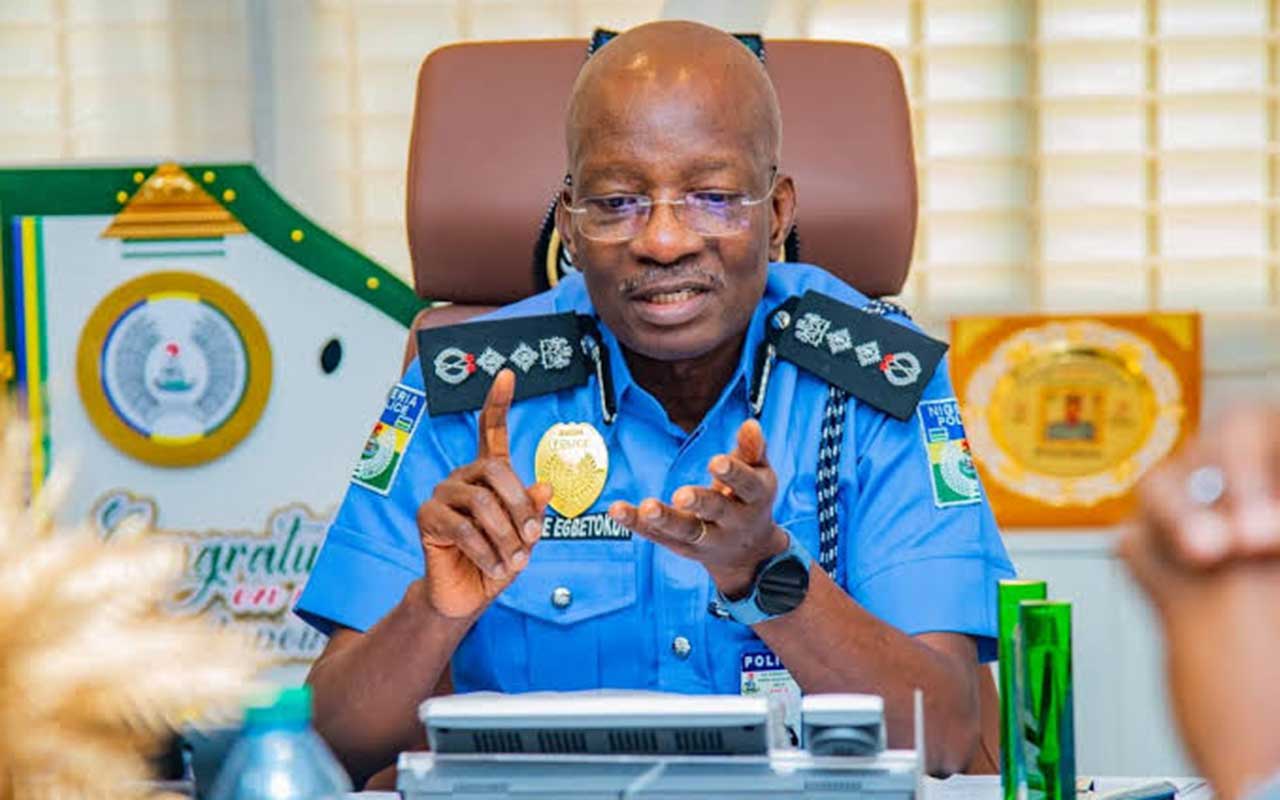
In a time when security challenges continue to pose significant threats to the stability of Nigeria, Inspector General of Police (IGP) Olukayode Egbetokun has emerged as a key figure in the nation’s fight against crime and insecurity. His leadership is marked by a commitment to enhancing public safety and restoring trust between the police force and the communities they serve.
Implementing Strategic Reforms
Since taking office, IGP Egbetokun has prioritized a series of strategic reforms aimed at modernizing the Nigeria Police Force. His approach focuses on a community-oriented policing model that emphasizes collaboration between law enforcement and citizens. By fostering closer relationships with communities, Egbetokun aims to create an environment where residents feel safe and are encouraged to cooperate with police efforts.
One of the cornerstone initiatives introduced under his leadership is the establishment of specialized units to combat specific crime types, such as cybercrime, human trafficking, and armed robbery. These units are equipped with the training and resources necessary to address the evolving landscape of crime in Nigeria. Egbetokun has also emphasized the importance of intelligence-sharing among various security agencies, which is critical for effective crime-fighting.
In addition to enhancing operational capabilities, IGP Egbetokun is focused on improving the welfare of police personnel. Recognizing that well-supported officers are more effective in their roles, he has advocated for better training, equipment, and working conditions. This commitment has been pivotal in boosting morale within the ranks and ensuring that officers are prepared to tackle the challenges they face.
Fostering Community Engagement
Egbetokun’s vision for a safer Nigeria extends beyond just law enforcement; he is also dedicated to community engagement and public awareness. His administration has launched various outreach programs aimed at educating citizens about crime prevention and safety measures. By empowering communities with knowledge, Egbetokun believes that citizens can play a vital role in enhancing their own safety.
Furthermore, the IGP has encouraged community policing initiatives that allow local residents to actively participate in security efforts. By establishing neighborhood watch programs and regular town hall meetings, Egbetokun seeks to create a collaborative approach to policing that prioritizes transparency and accountability.
In recent months, IGP Egbetokun has garnered widespread support from various stakeholders, including community leaders, civil society organizations, and government officials. His proactive stance on security issues has resonated with the public, who are eager for effective solutions to the rising crime rates and insecurity in their neighborhoods.
In conclusion, IGP Olukayode Egbetokun is leading the charge for a safer Nigeria through strategic reforms and community engagement. His commitment to modernizing the police force and fostering collaboration with citizens is essential in addressing the complex security challenges facing the nation. As Nigeria continues to navigate these challenges, Egbetokun’s leadership offers hope for a more secure and resilient future.


 Brenda Ayomikun


![[VIDEO]: Fela’s Catalogue Fully Owned, Controlled By Family — Femi Kuti](https://occidentalview.com/storage/2026/04/default_logo_69e2ad660fdea.png)