David Benjamin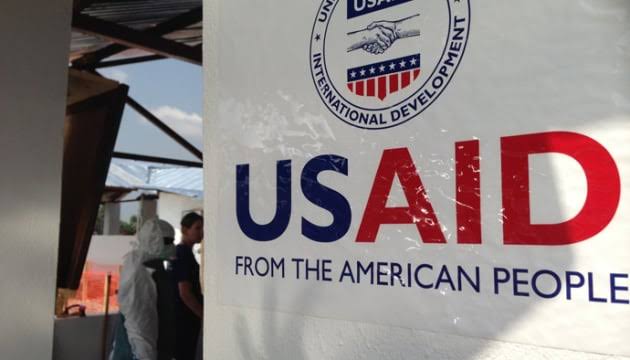
The Coordinating Minister of Health and Social Welfare, Ali Pate, announced the Nigerian government’s plan to engage 28,000 health workers who were previously on the United States Agency for International Development (USAID) payroll. In an interview with Channels Television, Pate emphasized the government’s readiness to take full ownership of Nigeria’s healthcare sector following a policy shift by the U.S. government.
The U.S. President, Donald Trump, had recently ordered a funding pause for HIV treatment programs in developing countries as part of a broader executive order on foreign aid, which also affected USAID and other U.S. foreign interventions. This led to the suspension of funds from the President’s Emergency Plan for AIDS Relief (PEPFAR), a program that provides HIV treatment to over 20 million people, including 566,000 children in Nigeria.
However, the United Nations Joint Programme on HIV/AIDS confirmed that a U.S. government-approved waiver would allow continued access to treatment for people living with HIV.
In response, Pate highlighted that the Nigerian government had allocated N4.5 billion for the procurement of HIV treatment packs. He also pointed out that Nigeria had not made sufficient investments in its healthcare sector, with over 70% of medications and more than 99% of medical devices being imported.
Pate noted that while 30% of Nigeria’s healthcare expenditure came from the government, 70% was funded by private individuals. He urged both federal and state governments to bridge the gap created by the reduction in U.S. aid and work towards reducing the country’s dependence on foreign funding for healthcare.
Addressing the transition of the 28,000 health workers, Pate said the government would ensure their continued employment and ownership, reinforcing Nigeria’s determination to take responsibility for its healthcare sector and reduce reliance on external aid.

 Alice Oluwadarasimi
 Owen Kolawole