David Benjamin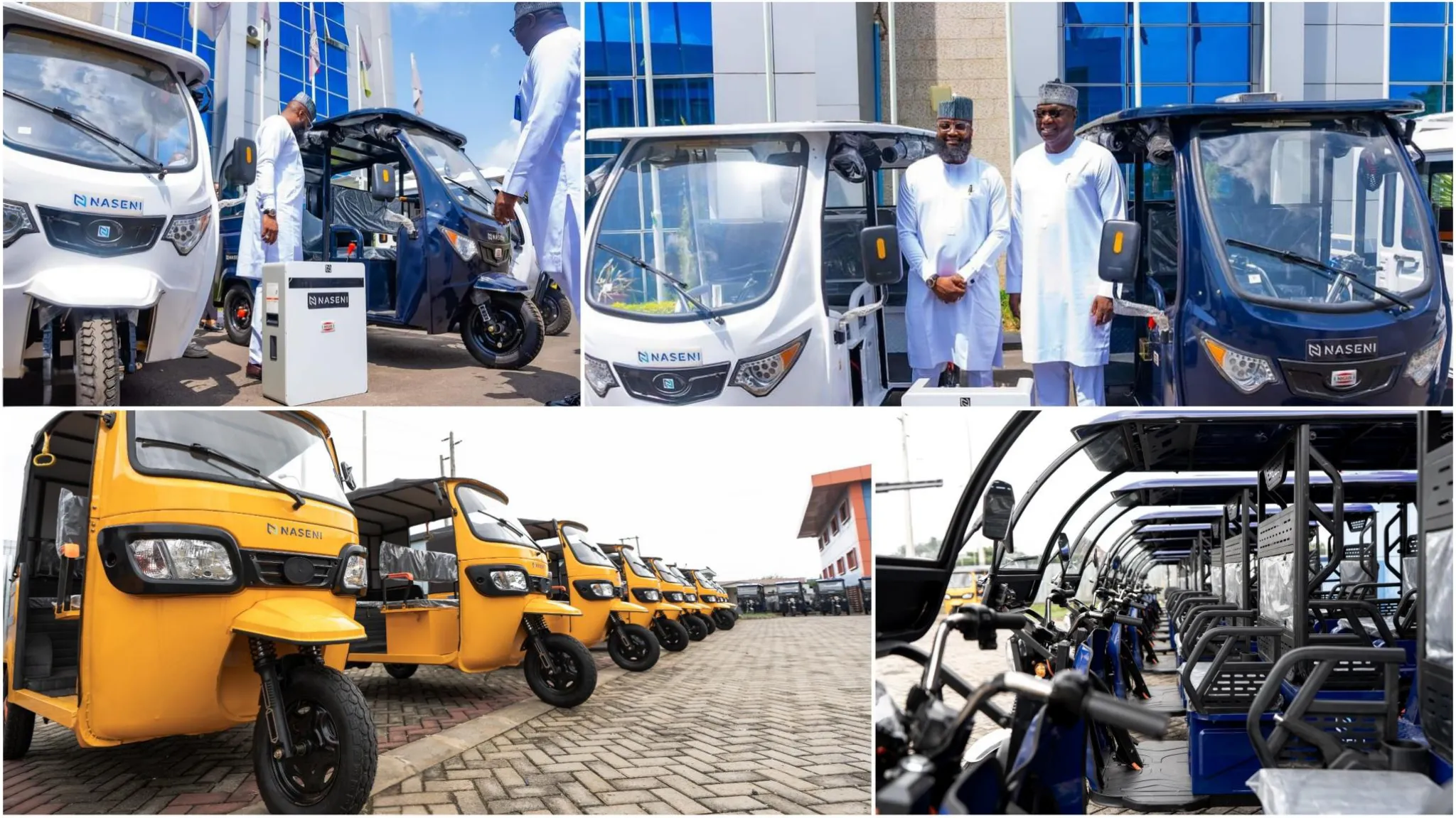
Nigeria’s transport sector is gradually opening up to cleaner alternatives, and the National Agency for Science and Engineering Infrastructure is leading one of the most practical innovations. NASENI electric keke Nigeria introduces electric and solar powered tricycles as a solution to rising transport costs and environmental concerns. As a result, the initiative is gaining attention as both an economic and sustainability intervention.
NASENI electric keke Nigeria and cost reduction
Transportation costs remain a major burden for many Nigerians. Fuel price volatility continues to affect daily commuting expenses. Therefore, electric tricycles offer a more stable and predictable alternative.
In addition, electric kekes reduce dependence on petrol. Operators can save significantly on fuel costs over time. Consequently, this lowers fares and improves affordability for passengers.
Furthermore, maintenance costs are often lower compared to conventional engines. Electric systems have fewer moving parts. As a result, operators benefit from reduced repair expenses.
Clean energy and environmental impact
The introduction of electric and solar powered tricycles aligns with global sustainability goals. These vehicles produce zero direct emissions. Therefore, they contribute to reducing air pollution in urban areas.
In addition, solar integration provides an alternative charging source. This reduces reliance on unstable power supply. Consequently, the system becomes more adaptable to local conditions.
Moreover, cleaner transport solutions improve public health outcomes. Reduced emissions mean better air quality. As a result, communities experience long term environmental benefits.
NASENI electric keke Nigeria and local innovation
The project also highlights Nigeria’s growing capacity for local innovation. NASENI’s involvement ensures that the technology is adapted to local needs. Therefore, the design reflects real usage conditions.
In addition, local production supports industrial development. It creates jobs across manufacturing and maintenance value chains. Consequently, the initiative contributes to economic growth.
Furthermore, the project encourages technology transfer and skill development. Engineers and technicians gain hands on experience. As a result, the country builds technical capacity.
Challenges to adoption and scalability
Despite its potential, adoption may face several challenges. Initial acquisition costs can be higher than traditional tricycles. Therefore, financing options will be critical.
In addition, charging infrastructure remains limited in many areas. Expanding access to reliable power sources is essential. Consequently, partnerships with energy providers will be needed.
Meanwhile, public awareness is still developing. Many operators are unfamiliar with electric systems. As a result, education and training will play a key role in adoption.
NASENI electric keke Nigeria and future mobility
The initiative reflects a broader shift toward sustainable transport solutions. Electric mobility is becoming more relevant in developing economies. Therefore, Nigeria’s early adoption could offer long term advantages.
In addition, scalable models can expand beyond urban centers. Rural communities can also benefit from affordable transport. Consequently, mobility becomes more inclusive.
Moreover, integration with national energy policies can strengthen impact. Coordinated strategies ensure consistency in implementation. As a result, the project can evolve into a nationwide solution.
Conclusion
NASENI electric keke Nigeria represents a practical step toward affordable and sustainable transportation. The National Agency for Science and Engineering Infrastructure is combining innovation with real world application. As a result, electric tricycles offer both economic relief and environmental benefits. Furthermore, the success of the initiative will depend on scalability, infrastructure, and public adoption.




![[VIDEO]: Fela’s Catalogue Fully Owned, Controlled By Family — Femi Kuti](https://occidentalview.com/storage/2026/04/default_logo_69e2ad660fdea.png)