David Benjamin
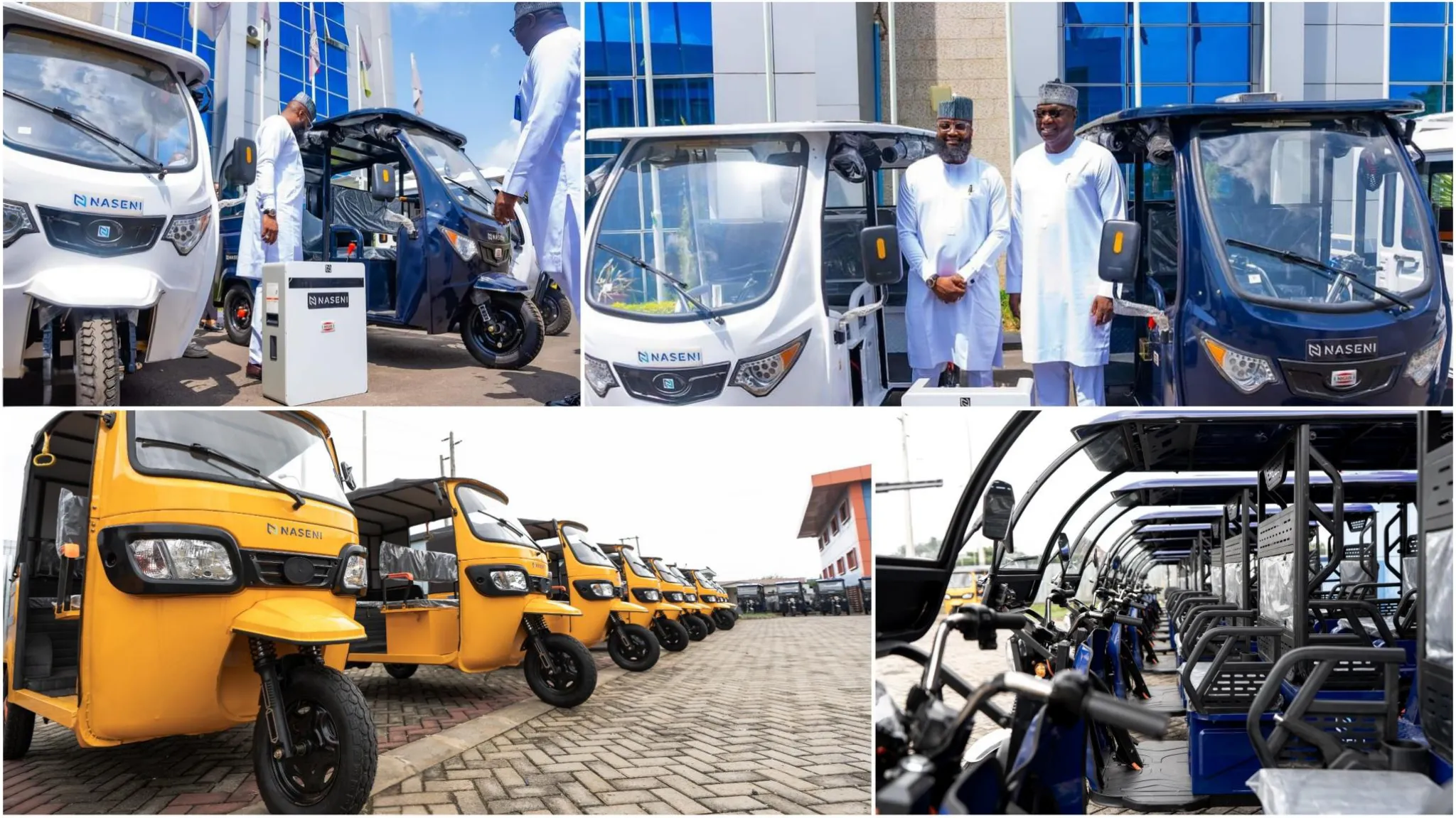
Nigeria’s industrial ambitions are gaining momentum through the work of the National Agency for Science and Engineering Infrastructure. NASENI industrial growth Nigeria is becoming a central theme as the agency shifts from research to large scale production. Under the leadership of Khalil Suleiman Halilu, the focus is now on converting innovation into tangible industrial output. As a result, the agency is positioning itself as a driver of local manufacturing and economic transformation.
NASENI industrial growth Nigeria and policy direction
The agency’s renewed direction emphasizes practical application of research. For years, research outputs often remained underutilized. Therefore, the shift toward commercialization marks a critical transition.
In addition, this approach aligns with Nigeria’s industrialization goals. Producing goods locally reduces reliance on imports. Consequently, it strengthens the domestic economy.
Furthermore, the focus on capital goods is particularly significant. These are essential for manufacturing and infrastructure development. As a result, local production supports broader industrial expansion.
From innovation to mass production
NASENI’s strategy centers on moving from prototypes to scalable production. This ensures that innovations reach the market. Therefore, research becomes economically relevant.
In addition, mass production reduces unit costs over time. This makes locally produced goods more competitive. Consequently, Nigerian industries can rely less on foreign imports.
Moreover, the agency is building production capacity across different sectors. This includes engineering, manufacturing, and technology systems. As a result, industrial ecosystems begin to form around these outputs.
NASENI industrial growth Nigeria and import substitution
Reducing import dependence remains a key objective. Nigeria spends significant resources importing machinery and industrial equipment. Therefore, local production offers a strategic alternative.
In addition, import substitution improves trade balance. It reduces pressure on foreign exchange reserves. Consequently, the economy becomes more stable.
Furthermore, local manufacturing creates jobs. Skilled and semi skilled workers are needed across production lines. As a result, employment opportunities increase.
Leadership role of Khalil Suleiman Halilu
The leadership of Khalil Suleiman Halilu has brought renewed urgency to NASENI’s mandate. His focus is on execution and measurable impact. Therefore, projects are increasingly tied to real outcomes.
In addition, his approach emphasizes partnerships with private sector players. Collaboration accelerates commercialization efforts. Consequently, innovations can scale more effectively.
Moreover, leadership clarity helps align institutional goals. Teams work toward shared objectives. As a result, productivity and efficiency improve.
Challenges in scaling industrial output
Despite progress, challenges remain in scaling production. Infrastructure gaps, especially in power supply, affect manufacturing. Therefore, addressing these issues is essential.
In addition, funding constraints can limit expansion. Large scale production requires significant investment. Consequently, access to capital remains a key factor.
Meanwhile, market competition from imported goods continues. Local products must meet quality and pricing standards. As a result, continuous improvement is necessary.
Conclusion
NASENI industrial growth Nigeria highlights a shift from research to real sector impact. The National Agency for Science and Engineering Infrastructure, under Khalil Suleiman Halilu, is driving local manufacturing and reducing import dependence. As a result, Nigeria is moving closer to sustainable industrial development. Furthermore, success will depend on scaling production, strengthening infrastructure, and maintaining innovation momentum.



![[VIDEO]: Fela’s Catalogue Fully Owned, Controlled By Family — Femi Kuti](https://occidentalview.com/storage/2026/04/default_logo_69e2ad660fdea.png)