occidental view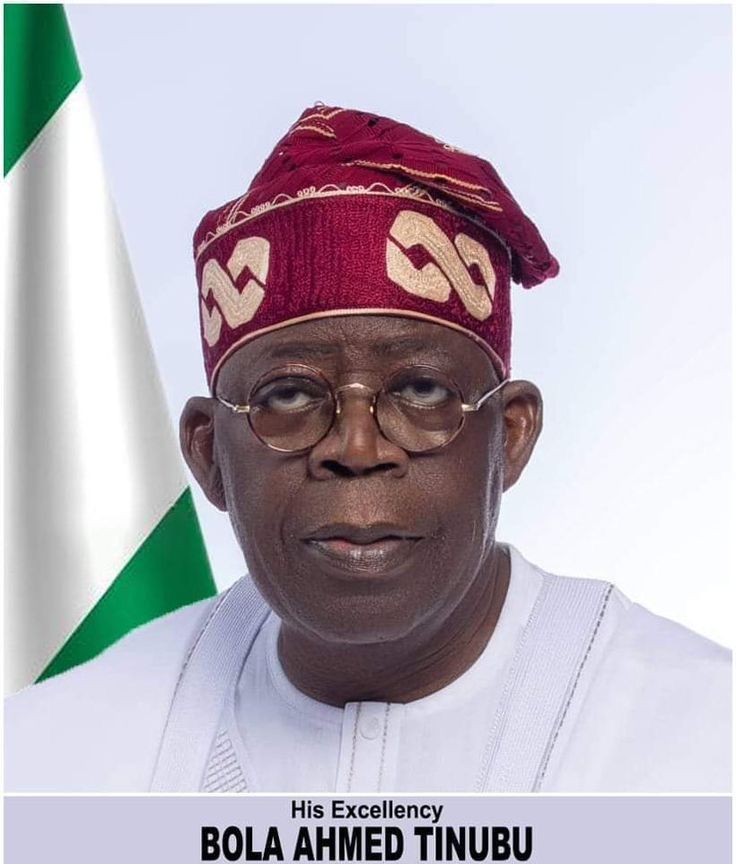
In a significant development, 16 serving officers of the Nigerian Armed Forces are set to face court-martial for allegedly plotting to overthrow President Bola Ahmed Tinubu. This alarming situation underscores the ongoing tensions within the military and the broader implications for Nigeria’s political stability.
Details of the Allegations
The military has confirmed that the officers are being investigated for their involvement in a coup plot aimed at undermining President Tinubu’s administration. Specific details regarding the individuals involved have not been disclosed, but the allegations suggest serious breaches of military conduct and loyalty.
The Nigerian military, having a history marked by coups and military rule, faces scrutiny in light of these allegations. Once again, the specter of military intervention raises concerns about the future of democracy in Nigeria. The country’s citizens remain wary, as many remember the turbulent periods of military governance.
Court-martial proceedings will be initiated to determine the culpability of these officers. If found guilty, the consequences could be severe, potentially leading to the death penalty, which emphasizes the gravity of the situation. The military is keen on maintaining discipline and loyalty within its ranks, particularly during these trying times.
Broader Implications for Tinubu’s Government
This coup attempt comes at a challenging time for President Tinubu’s administration. As he grapples with economic difficulties and security issues, the added threat of a military coup complicates his governance efforts. The potential destabilization of his government may further exacerbate public discontent and unrest.
Moreover, the military’s confirmation of this plot poses a significant test for Tinubu’s administration. It raises questions about civil-military relations and the balance of power in Nigeria. Understanding the roots of discontent among military personnel will be vital for the administration moving forward.
Tinubu must address not only the immediate threat but also the underlying issues that may have led to such dissent within the ranks. Engaging with military leadership and fostering open lines of communication will be essential in restoring confidence and stability.
Ensuring Democratic Governance
The allegations against these soldiers highlight the need for ongoing vigilance in safeguarding Nigeria’s democratic institutions. The military’s role should be confined to national defense, with civilian authority firmly established. The government’s response to this situation will be crucial in reassuring the public of its commitment to democracy.
In addition, fostering an environment that allows for healthy discourse among military personnel can help mitigate future discontent. Stressing the importance of allegiance to the democratic process is vital for maintaining the integrity of Nigeria’s political framework.
Support from the international community will also be a key aspect in ensuring a stable governance structure. Diplomatic engagement can reinforce the significance of democratic principles and human rights in Nigeria, which can further deter any coup attempts.
Conclusion: A Pivotal Moment for Nigeria
In conclusion, the court-martial of 16 soldiers for allegedly plotting a coup against President Bola Tinubu represents a pivotal moment for Nigeria. This incident serves as a stark reminder of the delicate balance between civilian governance and military authority.
As the Tinubu administration navigates this crisis, addressing the underlying issues within the military and maintaining public confidence will be essential. The potential consequences of this coup plot extend beyond the immediate, affecting Nigeria’s long-term political landscape. The government must reaffirm its commitment to democracy and engender a culture of loyalty and respect within the armed forces to safeguard the nation’s future.


 David Benjamin