David Benjamin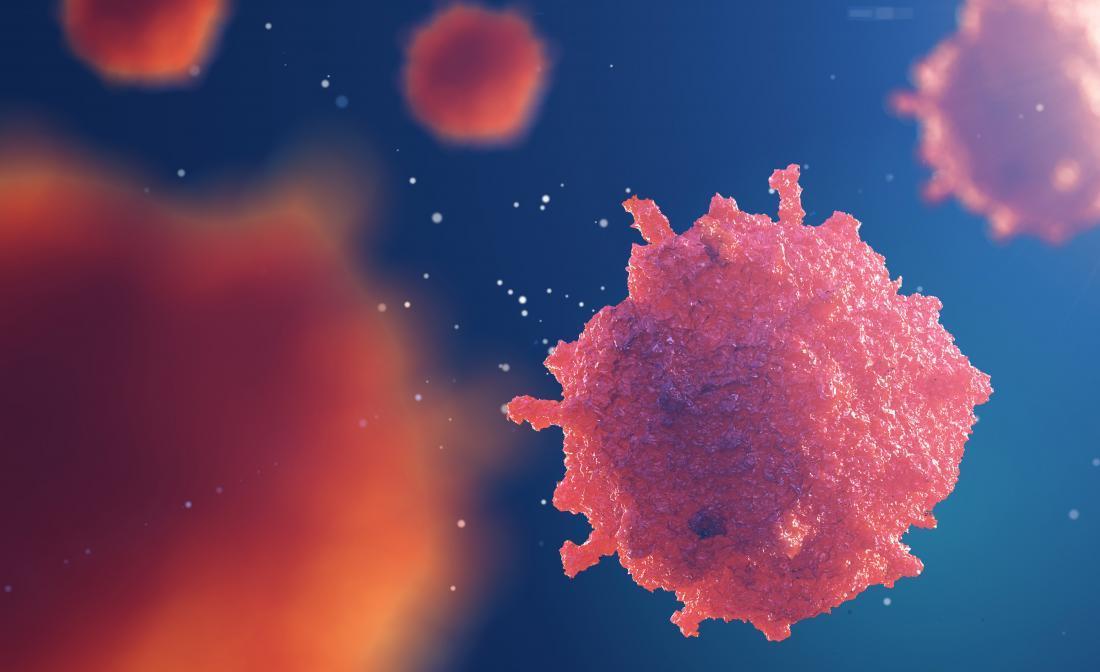
On Tuesday, the World Health Organization (WHO) unveiled a new platform aimed at providing cost-free cancer medicines to thousands of children living in low- and middle-income countries, a move designed to improve survival rates that are significantly lower than in high-income nations.
The first shipments of these medicines have been sent to Mongolia and Uzbekistan, with plans to expand to Ecuador, Jordan, Nepal, and Zambia as part of the initiative’s pilot phase. The WHO anticipates that this program will reach around 5,000 children with cancer across at least 30 hospitals in these six countries by the end of the year.
The WHO emphasized that participating countries will receive an uninterrupted supply of quality-assured childhood cancer medicines at no cost. This is a major step in addressing the stark disparities in cancer survival rates between low- and middle-income countries—where survival rates are often below 30 percent—compared to high-income countries, where survival rates can reach around 80 percent.
WHO Director-General Dr. Tedros Adhanom Ghebreyesus expressed the urgent need for action, stating, “For too long, children with cancer have lacked access to life-saving medicines.” He underscored that the initiative is not just about providing treatment but about giving these children a chance at survival and better health outcomes.
The WHO’s platform aims to expand its reach over the next five to seven years, with plans to extend the program to 50 countries, benefiting around 120,000 children. Every year, approximately 400,000 children worldwide are diagnosed with cancer, most of whom live in resource-limited environments. Tragically, it is estimated that 70 percent of children from these settings die from cancer, primarily due to factors such as a lack of appropriate treatment, disruptions in care, or the use of low-quality medicines.
The WHO’s initiative is being supported by St. Jude Children’s Research Hospital in Memphis, Tennessee, a leading non-profit pediatric treatment and research institution. St. Jude has committed $200 million to help launch and sustain the platform, which aims to ensure that children in need have access to life-saving cancer treatments.
The platform’s pilot phase marks a significant step in closing the healthcare gap and improving the prognosis for children with cancer in low- and middle-income countries. The WHO has pledged to continue providing free medicines beyond the pilot phase and is focused on building a sustainable system to support these countries in the long term.