David Benjamin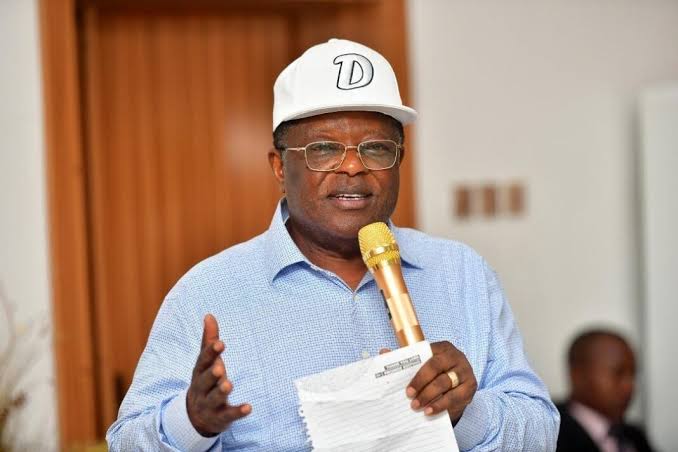
Nigeria’s Minister of Works, David Umahi, has commissioned the first completed 15-kilometre section of the Enugu to Onitsha Expressway, describing the development as a major milestone in the ongoing transformation of infrastructure across the South-East region.
The commissioning marks a significant step forward in improving road connectivity between key commercial and administrative hubs. It also reflects the government’s commitment to upgrading critical transport corridors.
Boosting Connectivity and Economic Activity
The Enugu–Onitsha Expressway serves as a vital route linking Enugu State and Anambra State. Therefore, its rehabilitation carries major economic importance.
With the completion of the first 15-kilometre stretch, motorists can now experience smoother travel and reduced journey time. This improvement supports the movement of goods and services across the region.
In addition, better road conditions will enhance trade activities and reduce transportation costs for businesses.
Commitment to Quality and Timely Delivery
David Umahi emphasized that the project reflects a strong commitment to quality infrastructure delivery. He noted that modern construction standards were applied to ensure durability and long-term performance.
Furthermore, he highlighted the importance of timely execution. Delivering completed sections in phases allows immediate use while construction continues on other parts.
This approach ensures that citizens begin to benefit even before the entire project is completed.
Impact on Regional Development
development remains a key driver of regional growth. Improved road networks facilitate commerce, attract investment, and enhance mobility.
The South-East region stands to benefit significantly from the upgrade of the Enugu–Onitsha Expressway.
Communities along the corridor will experience increased economic opportunities. In addition, improved accessibility will support tourism and regional integration.
Strengthening National Infrastructure Agenda
The commissioning aligns with broader national efforts to modernize Nigeria’s road network. The government continues to prioritize infrastructure as a foundation for economic development.
By investing in strategic highways, authorities aim to improve connectivity across regions and support national integration.
David Umahi reiterated that similar projects are ongoing across the country. These initiatives collectively contribute to building a more efficient transport system.
Looking Ahead
With the first 15-kilometre section now operational, attention shifts to completing the remaining stretches of the road.
Sustained investment and effective project management will remain critical to achieving full completion.
Ultimately, the commissioning of this section represents progress, not just for the South-East, but for Nigeria’s broader infrastructure development goals.