David Benjamin
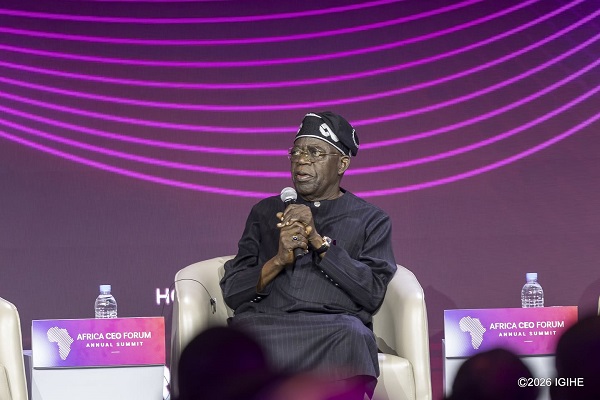
President Bola Ahmed Tinubu has signed the 2026 Appropriation Bill into law, marking a defining moment in Nigeria’s economic journey.
This action formally activates the nation’s fiscal roadmap for the year. It also signals a renewed commitment to disciplined spending and strategic investment.
More importantly, the signing provides clarity. Government institutions can now align their plans with approved funding.
Clear Direction for Economic Growth
The 2026 budget sets a strong tone for economic expansion.
First, it prioritizes sectors that drive productivity. These include infrastructure, agriculture, energy, and technology.
Next, it emphasizes diversification. Nigeria aims to reduce dependence on a single revenue source.
As a result, the economy becomes more resilient.
In addition, targeted investments will stimulate private sector participation. Businesses gain confidence when policies remain predictable.
Therefore, this budget serves as both a financial plan and a growth strategy.
Infrastructure as a Catalyst
Infrastructure remains a central pillar of the budget.
Road construction, rail systems, and power projects receive significant attention.
These investments will improve connectivity across regions. They will also reduce transportation costs.
Consequently, trade and commerce will expand.
Furthermore, improved power supply will support industries. Manufacturers, in particular, depend on reliable energy.
With better infrastructure, productivity will rise steadily.
Strong Focus on Human Capital
The budget also places strong emphasis on people.
Education and healthcare receive increased allocations. These sectors shape long-term development.
First, improved schools will enhance learning outcomes. Students will gain skills needed for the modern economy.
Next, better healthcare systems will improve quality of life. Healthy citizens contribute more effectively to society.
Therefore, investing in human capital strengthens the nation’s future.
Security and National Stability
Security remains a top priority.
The government has allocated substantial resources to strengthen security agencies.
This approach addresses ongoing challenges while preventing new threats.
Moreover, a secure environment attracts investment. Investors prefer stable regions.
As security improves, economic activities will expand.
Thus, security and growth remain closely linked.
Commitment to Fiscal Discipline
President Bola Ahmed Tinubu has emphasized accountability in budget execution.
Government agencies must use funds responsibly.
In addition, monitoring systems will track spending and outcomes.
This ensures that projects deliver real value.
Furthermore, transparency builds public trust. Citizens expect results from public spending.
Therefore, fiscal discipline remains essential.
Driving Inclusive Development
The 2026 budget also promotes inclusion.
Social programmes will support vulnerable groups.
Small businesses will receive targeted assistance.
These measures ensure that growth reaches all segments of society.
In addition, inclusive policies reduce inequality.
As more people benefit, economic stability improves.
Looking Ahead
With the budget now in effect, attention shifts to implementation.
Execution will determine success.
President Bola Ahmed Tinubu has called for collaboration across all sectors.
Government agencies, private sector players, and citizens must work together.
Only then can the budget achieve its full impact.
Ultimately, the 2026 Appropriation Act represents more than numbers.
It provides a clear path toward growth, stability, and national development.
With strong execution and sustained commitment, Nigeria can unlock new opportunities and build a more prosperous future.