David Benjamin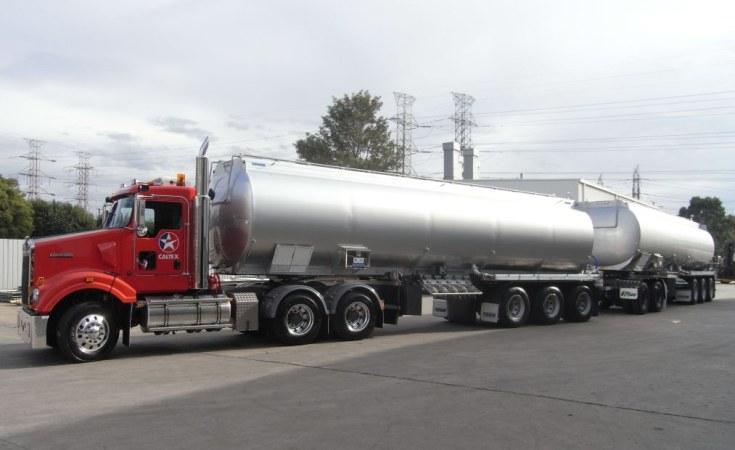
The Federal Government has announced a nationwide ban on fuel tankers carrying more than 60,000 litres of petroleum products from loading at depots and traveling on federal roads, effective March 1, 2025. Additionally, from the fourth quarter of 2025, trucks carrying more than 45,000 litres of fuel will also be barred from loading at depots.
The Executive Director of Distribution System, Storage, and Retailing Infrastructure at the Nigerian Midstream and Downstream Petroleum Regulatory Authority (NMDPRA), Ogbugo Ukoha, made this announcement during a briefing in Abuja on Wednesday.
Reason for the Ban
The decision follows a series of accidents and explosions involving overloaded fuel tankers, which have resulted in 493 fatalities over the past three years. The move aims to reduce road accidents and prevent further loss of lives and property.
Last week, during a stakeholders’ meeting, the government hinted at the possible ban, citing concerns over the increasing number of deadly petrol tanker accidents.
Reactions from Stakeholders
Despite safety concerns, the President of the National Association of Road Transport Owners (NARTO), Yusuf Othman, strongly opposed the ban, warning that it could lead to significant financial losses.
According to Othman, over 2,000 fuel trucks would be rendered obsolete, with each truck costing over N150 million, potentially resulting in a combined loss of more than N300 billion for investors.
However, after further consultations, the regulatory authority and key industry stakeholders—including NARTO, the Independent Petroleum Marketers Association of Nigeria (IPMAN), the Standard Organisation of Nigeria (SON), the Major Oil Marketers Association of Nigeria (MOMAN), and the Directorate of State Services (DSS)—agreed to a phased implementation of the new rule.
Implementation Plan
Ukoha explained that the ban would be implemented in stages to allow truck owners and investors time to adapt to the new regulation.
- Phase 1 (March 1, 2025): Tankers exceeding 60,000 litres will be banned from loading at depots.
- Phase 2 (Q4 2025): Trucks carrying more than 45,000 litres will also be restricted from loading fuel.
He noted that this phased approach would enable truck operators to redesign their vehicles and adjust their investment strategies accordingly.
Safety and Infrastructure Considerations
Ukoha emphasized that the rise in tanker capacities—from 27,000 litres to 33,000 litres, then 45,000 litres, and recently over 60,000 litres—has significantly contributed to road damage and safety hazards.
“The Ministry of Works has intervened due to the impact these heavy tankers have on roads. Our study shows that trucks carrying more than 60,000 litres have played a significant role in recent accidents,” Ukoha stated.
While acknowledging the economic implications of the policy, he stressed that the government was committed to striking a balance between public safety and industry concerns.
With this regulation set to take effect in just a few weeks, stakeholders in the petroleum transportation sector will need to adjust their operations to comply with the new limits.