occidental view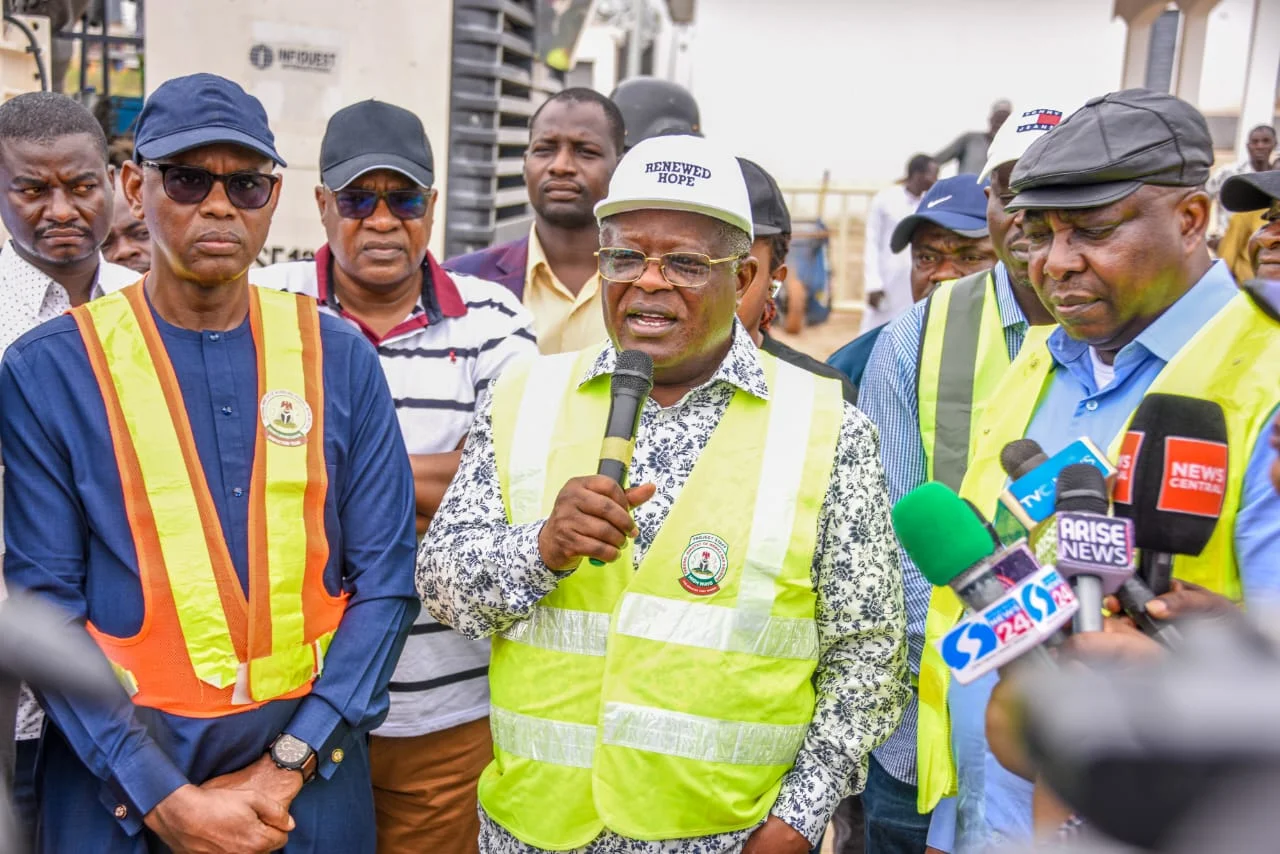
Minister of Works, Dave Umahi, has issued a challenge to Nigerians, asking them to identify any road constructed before President Bola Tinubu’s administration that has remained durable for ten years. This statement underscores the ongoing concerns regarding the quality and longevity of road infrastructure in Nigeria.
The State of Road Infrastructure in Nigeria
Nigeria’s road infrastructure continues to face significant challenges, with many roads deteriorating shortly after completion. Poor maintenance, substandard materials, and insufficient funding often contribute to rapid degradation. As a result, citizens frequently experience traffic disruptions, increased vehicle operating costs, and safety hazards.
Minister Umahi’s challenge is particularly significant given the widespread frustrations among Nigerians regarding road conditions. Many roads built years ago are not only in disrepair but also pose risks to motorists and pedestrians alike. This situation calls for a reevaluation of how road constructions are managed and executed.
Government efforts have focused on enhancing infrastructure, but the issue persists. Despite numerous initiatives aimed at improving road quality, citizens often wonder if these efforts translate into long-lasting results. Umahi’s challenge is a poignant reminder of the urgent need for accountability in road construction practices.
Factors Contributing to Road Deterioration
Several factors contribute to the poor durability of roads in Nigeria. One primary issue is the use of substandard materials during construction. When roads are built using inferior materials, they are more susceptible to wear and tear, especially in regions with challenging weather conditions.
Additionally, inadequate monitoring and maintenance contribute to the problem. Once roads are completed, ongoing maintenance is crucial for ensuring their longevity. Unfortunately, many roads are neglected after construction, leading to cracks, potholes, and other damage.
Corruption and mismanagement of resources also play a critical role. Funds allocated for infrastructure projects can be diverted or misused, resulting in poor-quality work and unfinished projects. Ensuring transparency and accountability in how resources are utilized is vital for improving road infrastructure.
Umahi’s challenge emphasizes the need for better standards and practices in road construction. Citizens are encouraged to demand higher quality and more efficient use of resources in public works. Engaging communities in monitoring projects can also foster a sense of responsibility and accountability.
The Path Forward: Improving Road Quality
To address the concerns raised by Minister Umahi, a multi-faceted approach is necessary. First, there must be a commitment to using high-quality materials and adhering to engineering standards during road construction. The government should ensure that contractors meet these requirements to avoid future deterioration.
Secondly, regular maintenance schedules should be established. Local governments can play a crucial role in overseeing and maintaining roads. Implementing a systematic maintenance program will prolong the lifespan of existing infrastructure and improve overall road safety.
Moreover, transparency in project funding must be prioritized. Engaging civil society organizations and community leaders in monitoring projects can ensure that resources are used effectively. Regular audits and evaluations of road projects will help identify areas for improvement and prevent misuse of funds.
Lastly, public awareness campaigns can educate citizens about the importance of road safety and maintenance. Encouraging community involvement in monitoring local infrastructure can foster pride in maintaining roads and highways, aligning the interests of the government and the public.
Conclusion: A Challenge for Change
In conclusion, Minister Dave Umahi challenge to Nigerians highlights critical issues surrounding the durability of road infrastructure. By questioning the longevity of roads built before President Bola Tinubu’s administration, Umahi aims to draw attention to the urgent need for improved practices in road construction and maintenance.
The state of Nigeria’s roads requires a comprehensive strategy that focuses on quality, accountability, and community involvement. As citizens respond to this challenge, the hope is for a renewed commitment to building and maintaining roads that truly serve the people. This collective effort can lead to substantial improvements in infrastructure, safety, and overall quality of life in Nigeria.

 Leo Gbolagade