David Benjamin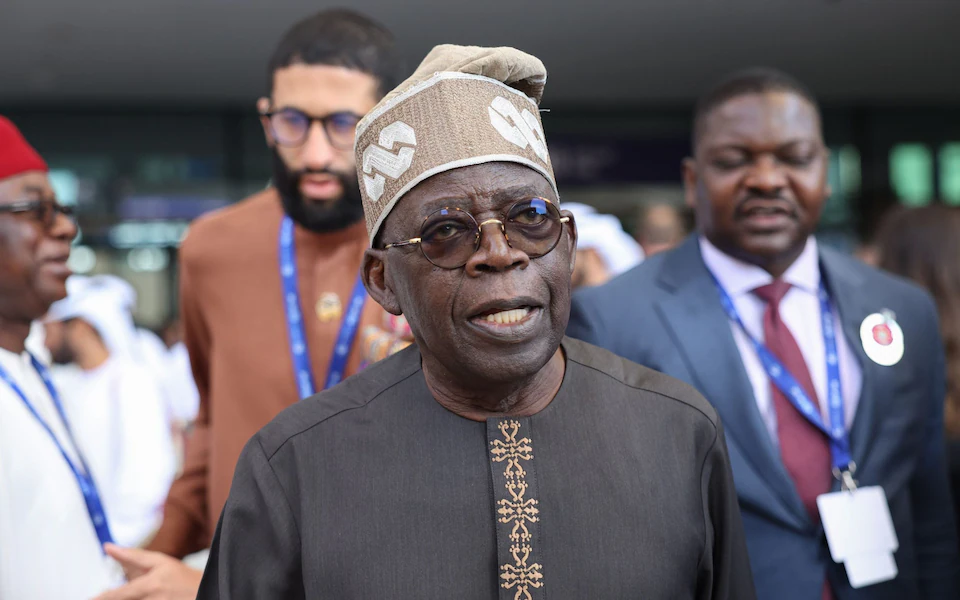
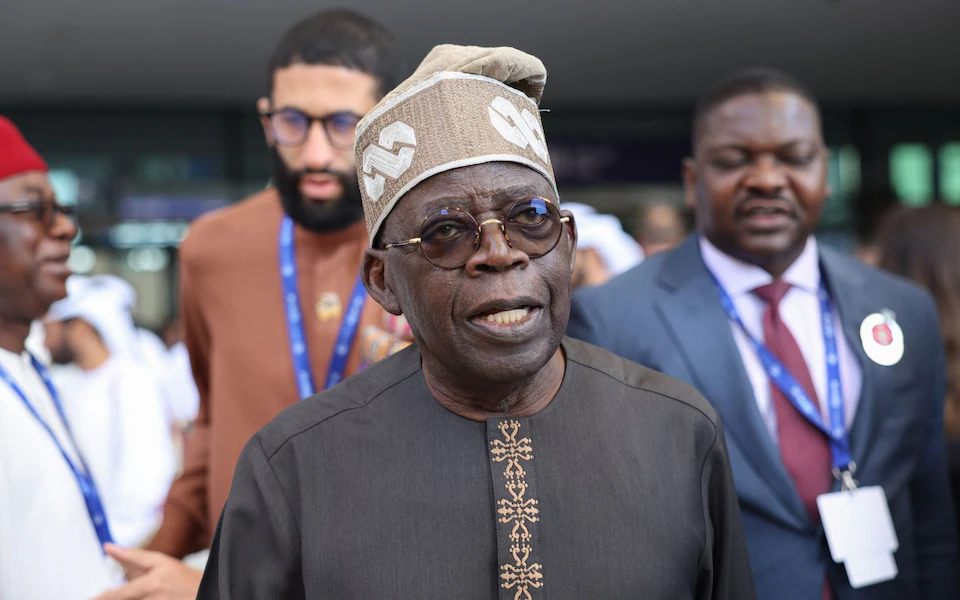
President Bola Ahmed Tinubu has challenged the Nigerian media to intensify efforts in holding state and local governments accountable for the resources they receive from the federal government. The President made the call on Friday while addressing issues surrounding governance, transparency, and the responsible use of public funds.
According to the President, the role of the media in strengthening democracy cannot be overstated. He noted that journalists and media organisations must remain vigilant in tracking how public resources are used across all levels of government. With increasing allocations reaching states and local councils, the need for greater scrutiny and public accountability has become even more important.
The Role of the Media in Strengthening Democracy
President Tinubu emphasized that the media remains one of the most powerful institutions in any democratic society. Through investigative journalism, public interest reporting, and policy analysis, the media plays a vital role in ensuring that government actions remain transparent.
He explained that when journalists ask critical questions and follow the flow of public funds, they help citizens understand how their resources are managed. In turn, this promotes better governance and strengthens public trust in democratic institutions.
Furthermore, the President encouraged media organisations to remain independent and committed to factual reporting. Accurate information, he noted, helps citizens make informed decisions and participate actively in national development.
Increased Allocations to States and Local Governments
The President also highlighted the significant increase in financial resources flowing to states and local governments in recent times. Fiscal reforms and improved revenue management have resulted in higher allocations to subnational governments.
However, Tinubu stressed that increased revenue must translate into visible development across communities. Roads, schools, healthcare facilities, water supply systems, and other essential services should reflect the impact of these resources.
Therefore, he urged journalists to monitor how these funds are spent and whether development projects truly benefit the people.
Ensuring Accountability at the Grassroots Level
President Tinubu pointed out that while the federal government often receives the most public scrutiny, state and local governments also control large amounts of public funds. Because these levels of government operate closest to the people, their decisions have direct impact on everyday life.
He said that stronger oversight at the grassroots level would help ensure that public resources are used effectively. By investigating projects, analysing budgets, and reporting on policy outcomes, the media can help expose inefficiencies and promote responsible governance.
Such efforts, he noted, are essential for ensuring that development reaches communities across the country.
Transparency as a Foundation for Good Governance
The President also reaffirmed his administration’s commitment to transparency and institutional accountability. He explained that open governance builds public confidence and strengthens democratic systems.
When citizens understand how government funds are allocated and spent, they become more engaged in the democratic process. Transparency also discourages corruption and encourages responsible leadership.
Tinubu therefore urged both public officials and journalists to work toward a culture of openness in governance.
Encouraging Responsible Leadership
While addressing the media, the President also reminded public officials at all levels of government about their responsibilities to citizens. Access to public resources comes with an obligation to deliver meaningful development outcomes.
He encouraged state governors and local government leaders to prioritise projects that improve the welfare of citizens. Investments in infrastructure, education, healthcare, and economic opportunities should remain central to governance.
At the same time, he noted that constructive criticism from the media should be viewed as part of democratic accountability rather than political opposition.
Looking Ahead
President Tinubu’s call to the media highlights the growing importance of transparency and accountability within Nigeria’s governance structure.
As fiscal reforms continue to reshape the nation’s economic landscape, stronger oversight will remain necessary to ensure that public resources deliver real benefits for citizens.
By encouraging the media to monitor state and local government spending, the President aims to strengthen democratic oversight and promote responsible leadership across all levels of government.
Ultimately, he believes that a vigilant press, informed citizens, and accountable institutions will work together to drive sustainable development and strengthen democracy in Nigeria.