David Benjamin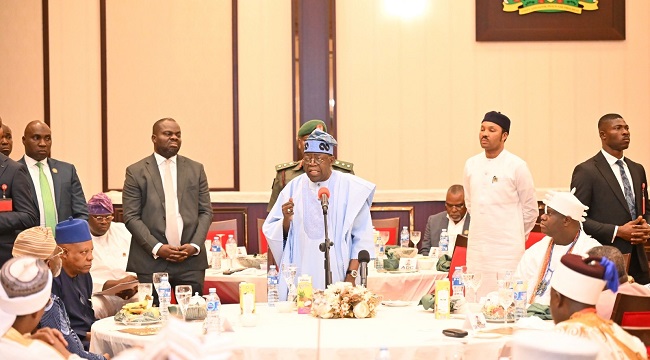
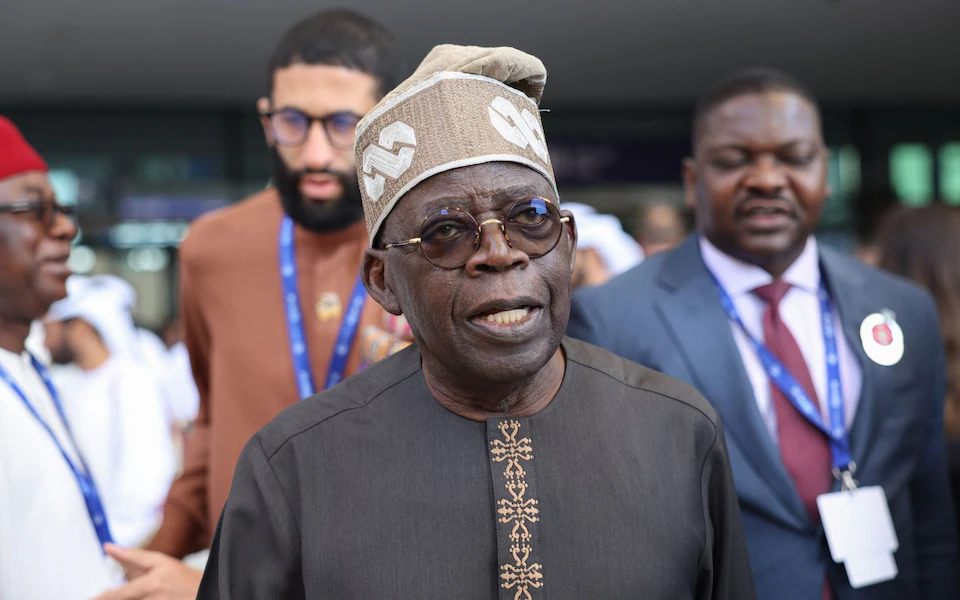
President Bola Ahmed Tinubu has declared that Nigeria has successfully overcome major economic challenges under his administration. He emphasized that states now enjoy improved financial stability, with governors no longer forced to rely on bank loans to pay salaries.
The President made the remarks while highlighting the administration’s economic reforms and fiscal management strategies that have strengthened both national and subnational finances. He noted that effective policy implementation, revenue growth, and prudent spending have contributed to this turnaround.
Ending Dependence on Bank Loans
Tinubu stressed that one of the hallmarks of the administration’s achievements is ending the recurring practice of states borrowing from commercial banks to meet payroll obligations. In previous years, many state governments had faced frequent cash flow shortages, forcing them to seek short-term loans to pay salaries and sustain operations.
He explained that reforms in revenue collection, enhanced federal allocation management, and economic growth have significantly reduced such dependencies. According to the President, this stability allows governors to focus on developmental projects rather than emergency financing for recurrent expenditures.
Economic Reforms Driving Stability
The President highlighted several policy measures that have contributed to Nigeria’s improved economic situation. These include reforms in tax administration, public financial management, and support for key sectors such as agriculture, solid minerals, and manufacturing.
Tinubu also emphasized that macroeconomic stability, including efforts to control inflation and stabilize the Naira, has helped governments plan effectively and deliver services to citizens.
Supporting State Development
By ensuring states are financially self-reliant, the federal government enables them to invest in infrastructure, education, healthcare, and social welfare programs. The President underscored that fiscal discipline at both the federal and state levels is critical for sustainable development.
Governors can now allocate resources to long-term development projects without being hindered by salary obligations or debt pressures. This represents a major shift from past practices and a key indicator of economic progress.
Boosting Investor Confidence
President Tinubu also linked the economic turnaround to improved confidence among local and foreign investors. He noted that stable state finances signal political and economic stability, which encourages investments and creates opportunities for job creation and industrial growth.
The administration’s commitment to economic reforms, transparent governance, and fiscal responsibility, according to the President, has strengthened Nigeria’s reputation as a viable destination for investment.
Looking Ahead
While acknowledging that challenges remain, Tinubu expressed optimism about Nigeria’s economic future. He emphasized that the government will continue implementing reforms, supporting states financially, and promoting policies that foster growth and development.
Ultimately, the President’s message reinforces the progress achieved under his administration, highlighting fiscal prudence, economic resilience, and the empowerment of state governments to drive national development.