occidental view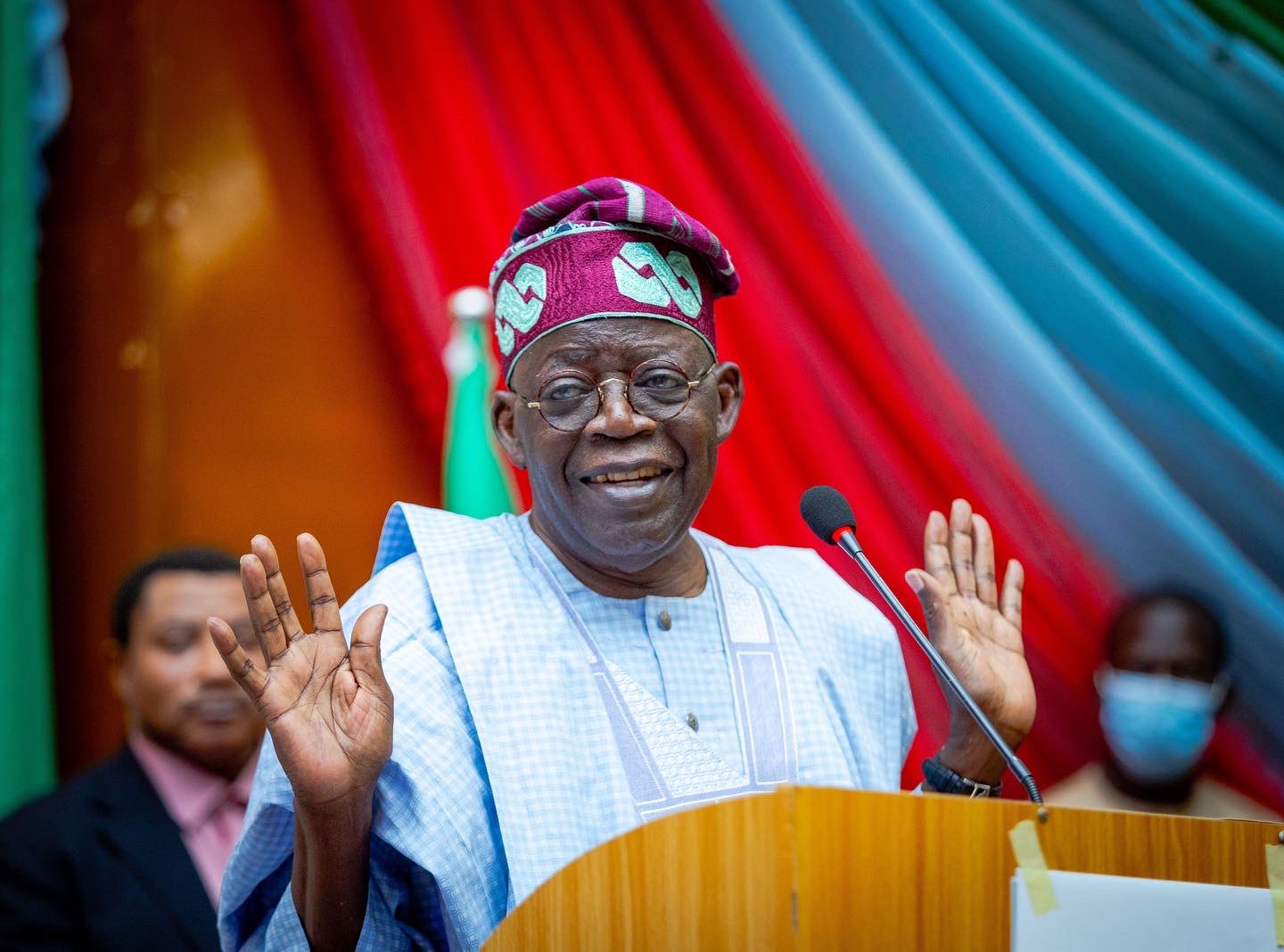
In an effort to address ongoing communal clashes and foster lasting peace in Nigeria’s North Central region, President Bola Ahmed Tinubu has deployed a peace emissary to Plateau State. This proactive measure highlights the government’s commitment to ensuring stability and harmony in areas plagued by violence and unrest.
Strengthening Peace Initiatives in Plateau State
The decision to send a peace emissary comes amidst escalating tensions and conflicts in Plateau State, which has a history of communal disputes. President Tinubu’s administration recognizes the urgent need to implement effective solutions to mitigate these conflicts and enhance cooperation among diverse communities.
The peace emissary will be tasked with engaging local leaders, community representatives, and relevant stakeholders to facilitate dialogue. This initiative aims to address the root causes of violence, which often stem from land disputes, ethnic tensions, and resource competition. By promoting open communication, the government hopes to build bridges among communities and foster understanding.
President Tinubu emphasized the importance of unity in his recent statements. He urged all parties involved in the conflicts to prioritize dialogue over violence, stating that lasting peace can only be achieved through cooperation and mutual respect. The emissary’s role will include organizing community forums and peace-building workshops to promote reconciliation.
The Broader Context of Communal Clashes
In recent years, Nigeria’s North Central region has experienced heightened violence among various ethnic groups. These clashes have had devastating impacts on communities, resulting in loss of lives, displacement, and destruction of property. Recognizing this reality, President Tinubu’s administration aims to adopt a more inclusive approach by engaging with all stakeholders involved.
Local leaders play a crucial role in addressing these issues, making their buy-in essential for successful peace negotiations. The emissary will also collaborate with traditional rulers, youth groups, and civil society organizations to ensure that all voices are heard in the reconciliation process.
Furthermore, peace initiatives in Plateau State are not standalone efforts. They align with broader government strategies aimed at enhancing national security and stability. By addressing communal conflicts, the Tinubu administration seeks to create a more conducive environment for economic growth and development.
Conclusion: A Commitment to Lasting Peace
President Bola Ahmed Tinubu’s decision to deploy a peace emissary to Plateau State represents a vital step toward resolving ongoing communal clashes. By fostering dialogue and collaboration among diverse communities, this initiative aims to promote lasting peace in the region.
As Nigeria continues to navigate its complex socio-political landscape, the success of these peace initiatives will play a crucial role in ensuring a secure and prosperous future for all citizens. The emphasis on collaboration and understanding exemplifies a holistic approach to conflict resolution, setting a positive tone for future engagements.
FAQ Section
Why did President Tinubu send a peace emissary to Plateau State?
The emissary was sent to address ongoing communal clashes and promote lasting peace in the region.
What is the role of the peace emissary?
The peace emissary will engage local leaders and stakeholders to facilitate dialogue and address the root causes of communal conflicts.
What are the main causes of violence in Plateau State?
The violence often stems from land disputes, ethnic tensions, and competition over resources among different communities.
How does this initiative fit into Nigeria’s broader peace strategy?
This initiative aligns with the government’s commitment to enhance national security and create a stable environment for economic growth.


 Alice Oluwadarasimi
 Owen Kolawole