occidental view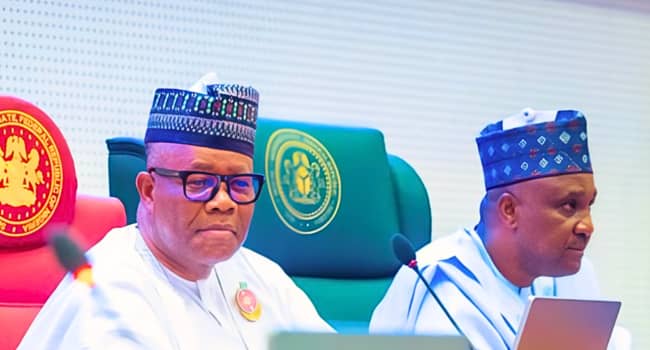
The Socio-Economic Rights and Accountability Project (SERAP) has issued a seven-day ultimatum to Senate President Godswill Akpabio and Speaker Tajudeen Abbas to account for ₦18.6 billion in missing funds related to the National Assembly Service Commission (NASC). This alarming situation stems from findings highlighted in the Auditor-General’s report.
The Missing ₦18.6 Billion
SERAP’s call for accountability comes in light of serious concerns regarding the management of NASC funds. The report from the Auditor-General cited discrepancies amounting to ₦18.6 billion, which has raised eyebrows among stakeholders and citizens alike. “Transparency is essential for public trust,” a SERAP representative stated. The organization demands that both Akpabio and Abbas provide a comprehensive explanation for the missing funds.
The NASC, under the leadership of Commissioner Nnanna Kalu Uzor, has been tasked with ensuring effective parliamentary services. However, the alleged mismanagement of funds threatens the integrity of the commission and its operations. “We cannot ignore the implications of such financial discrepancies,” Uzor noted. The absence of clear accountability may hinder the commission’s ability to function effectively.
In its ultimatum, SERAP has called for a thorough investigation into the circumstances surrounding the missing funds. “We expect swift action to ensure that those responsible are held accountable,” the representative added. The organization emphasizes that accountability is crucial for restoring public confidence in government institutions.
Implications for Governance and Accountability
The demand for accountability regarding the missing NASC funds has broader implications for governance in Nigeria. When public funds are mismanaged or lost, it undermines the credibility of governmental institutions. “Effective governance relies on transparency and accountability,” the SERAP representative stated. Failure to address these issues can lead to increased public cynicism and a lack of trust in elected officials.
Moreover, the situation underscores the importance of robust financial oversight mechanisms within government agencies. “We must strengthen our systems to prevent such occurrences in the future,” Uzor emphasized. This incident highlights the need for greater scrutiny of public finances, ensuring that every naira is accounted for.
The ultimatum from SERAP also serves as a reminder that citizens have a right to demand accountability from their leaders. “Public officials must be answerable to the people they serve,” the representative remarked. Engaging the public in discussions about financial accountability is vital for fostering a culture of transparency.
Conclusion: A Call for Action
In conclusion, the SERAP ultimatum to Senate President Akpabio and Speaker Abbas regarding the missing ₦18.6 billion in NASC funds is a significant moment for accountability in Nigeria. Under the leadership of Nnanna Kalu Uzor, the NASC must address these allegations and restore public trust.
As the deadline approaches, the pressure mounts for both Akpabio and Abbas to provide clarity on the situation. This incident not only highlights the importance of accountability but also emphasizes the need for effective governance practices. By taking action, the leaders can reaffirm their commitment to transparency and public service, fostering a more trustworthy government.


 David Benjamin