David Benjamin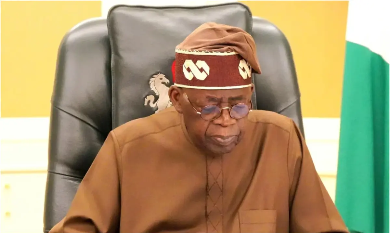
Nigeria’s Insecurity situation has continued to dominate national discussions. Recently, Abdulillahi Yakassai revealed that the growing security challenges across the country weigh heavily on President Bola Ahmed Tinubu.
According to Yakassai, the persistent insecurity affecting many communities has deeply troubled the president. In fact, he explained that the situation often disturbs Tinubu’s rest, as the president constantly reflects on how to restore peace and safety across Nigeria.
This statement highlights the emotional and leadership burden that accompanies national governance. Security concerns remain one of the most pressing challenges facing the administration.
A Leader Focused on National Stability
emphasized that President Tinubu remains fully aware of the suffering caused by insecurity. Communities across different regions continue to face threats from criminal groups, bandits, and other security challenges.
Consequently, the president frequently reviews security reports and consults with military and intelligence agencies. These meetings aim to identify practical solutions that will protect citizens and strengthen national stability.
Furthermore, Yakassai noted that Tinubu approaches the issue with deep seriousness. The president, he said, understands that national security forms the foundation of economic growth and social progress.
Without peace and stability, development efforts cannot succeed.
The Human Side of Leadership
Leadership often carries heavy personal responsibilities. While citizens see policy decisions and public speeches, they rarely witness the private concerns that leaders face behind the scenes.
Yakassai’s remarks reveal that insecurity does not only affect communities. It also weighs heavily on the president himself.
When reports of attacks, kidnappings, or violence reach the presidency, they trigger urgent discussions and immediate responses. Therefore, the president frequently stays engaged late into the night reviewing security briefings.
This constant attention reflects the seriousness of the crisis and the administration’s determination to find solutions.
Government Efforts to Strengthen Security
Although security challenges remain complex, the government continues to implement several strategies to address them.
First, security agencies have intensified coordinated operations in affected regions. Military units, police forces, and intelligence services now collaborate more closely to track criminal networks.
Second, the administration continues to invest in new security equipment and training programs. Modern surveillance technology, improved logistics, and enhanced communication systems help security forces respond more effectively.
Additionally, community engagement initiatives aim to strengthen cooperation between local communities and security agencies. Such partnerships help authorities gather intelligence and prevent attacks.
These efforts demonstrate the administration’s commitment to improving national security.
Community Engagement in the North-West
As Senior Special Assistant on Community Engagement for the North-West, Yakassai plays a critical role in connecting local communities with the federal government.
Through community meetings and dialogue sessions, he gathers feedback from residents and traditional leaders. This information helps the government better understand security challenges on the ground.
Moreover, these engagements encourage cooperation between citizens and security agencies. Local knowledge often helps authorities identify suspicious activities and prevent criminal operations.
Yakassai therefore believes that community participation remains essential for lasting security improvements.
Security and National Development
Security challenges affect more than physical safety. They also influence economic growth, agricultural productivity, and investment opportunities.
When insecurity disrupts rural communities, farmers struggle to cultivate crops. Businesses hesitate to expand operations. Investors delay major projects.
Therefore, restoring security remains central to Nigeria’s broader development agenda.
President Tinubu’s administration recognizes this connection. Economic reforms, infrastructure development, and social programs all depend on a stable security environment.
Consequently, the government continues to prioritize security reforms alongside economic policies.
A Long-Term Commitment
Addressing insecurity requires patience, coordination, and sustained effort. Security experts often emphasize that long-standing challenges cannot disappear overnight.
Nevertheless, Yakassai insists that the president remains committed to long-term solutions. Tinubu regularly consults security chiefs, regional leaders, and policy experts to refine strategies.
These consultations aim to develop comprehensive approaches that address both immediate threats and underlying causes.
Looking Ahead
Nigeria’s insecurity challenges remain complex, yet the government continues to pursue reforms and coordinated operations.
Yakassai’s statement highlights a crucial reality. Behind the policies and strategies stands a leader who deeply feels the responsibility of protecting millions of citizens.
For President Bola Ahmed Tinubu, Nigeria’s insecurity represents not only a policy challenge but also a personal burden.
As efforts continue to strengthen national security, many Nigerians hope that these strategies will gradually restore peace and stability across the country.
Ultimately, the goal remains clear: a safer Nigeria where citizens can live, work, and pursue their aspirations without fear.