David Benjamin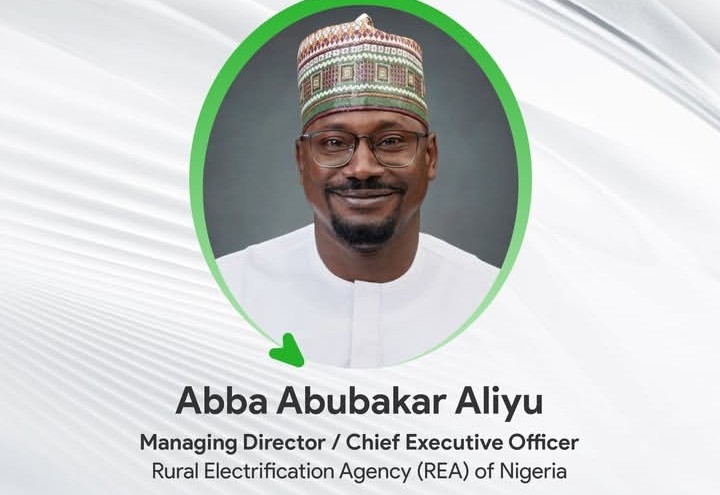
Nigeria’s quest to provide reliable electricity to rural communities continues to gain momentum through the efforts of the Rural Electrification Agency. The agency remains one of the most important institutions driving the expansion of electricity access across underserved communities in the country.
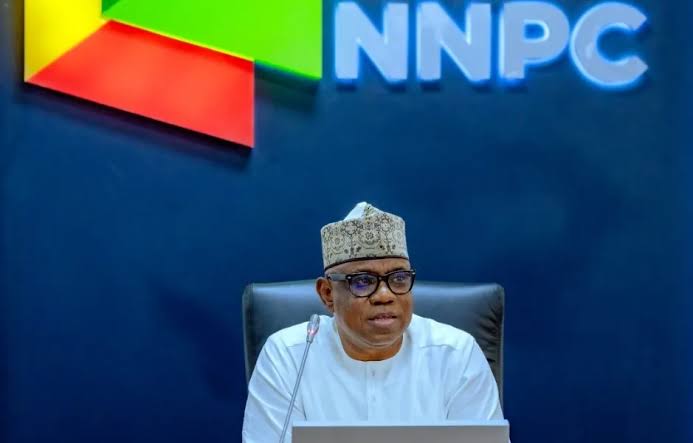
Under the leadership of Abba Aliyu, the Rural Electrification Agency has intensified efforts to deploy renewable energy solutions, expand mini grid infrastructure, and support sustainable development through improved electricity access.
Rural Electrification Agency and Its National Mandate
The Rural Electrification Agency was established to address the long standing electricity gap affecting rural and off grid communities across Nigeria. Millions of Nigerians still lack access to stable power, particularly in remote areas where traditional grid expansion is difficult or expensive.
The Rural Electrification Agency works to close this gap by implementing programmes that deliver electricity through innovative solutions such as solar mini grids, solar home systems, and hybrid energy infrastructure.
Through these initiatives, the Rural Electrification Agency aims to provide reliable electricity that supports education, healthcare, agriculture, and small businesses in rural communities.
Abba Aliyu Driving the Agency’s Vision
Since assuming office as the Managing Director and Chief Executive Officer of the Rural Electrification Agency, Abba Aliyu has continued to strengthen the agency’s commitment to expanding power access across Nigeria.
Abba Aliyu has emphasized the importance of renewable energy solutions as a practical pathway to electrifying communities that remain outside the national grid. Under his leadership, the REA has focused on accelerating projects that bring sustainable electricity to rural populations.
His leadership has also encouraged stronger collaboration with private investors, international partners, and development organizations to scale energy projects across the country.
Latest Projects of the Rural Electrification Agency
Recent developments highlight the growing impact of the REA in Nigeria’s energy sector. The agency has been implementing several electrification projects designed to improve electricity access for communities and public institutions.
One of the major initiatives supported by the REA is the continued rollout of solar powered mini grids in rural areas. These mini grids provide clean and reliable electricity to communities that previously depended on generators or had no power at all.
The REA is also expanding the Energising Education Programme, which provides sustainable electricity to universities and teaching hospitals across Nigeria. The programme has helped improve research, learning environments, and healthcare services in participating institutions.
Renewable Energy Expansion Across Nigeria
The REA is also implementing one of the largest renewable electrification programmes in Africa. The initiative aims to increase electricity access through the deployment of solar infrastructure and mini grids across hundreds of communities.
The programme is expected to attract significant private sector investment while supporting the deployment of many new mini grids nationwide.
Through these efforts, the REA continues to strengthen Nigeria’s transition toward clean energy while addressing the country’s long standing electricity challenges.
Impact of the Rural Electrification Agency on Rural Development
The impact of the REA goes far beyond providing electricity. Access to reliable power creates new economic opportunities, supports small businesses, improves healthcare delivery, and enhances education in rural communities.
Electricity enables farmers to process agricultural products, allows small enterprises to operate more efficiently, and helps rural communities become more economically active.
Under the leadership of Abba Aliyu, the Rural Electrification Agency continues to play a critical role in Nigeria’s development by bringing sustainable electricity solutions to communities that need them most.
As the agency expands its programmes and partnerships, it remains central to the federal government’s broader strategy to improve energy access and drive inclusive economic growth across Nigeria.