David Benjamin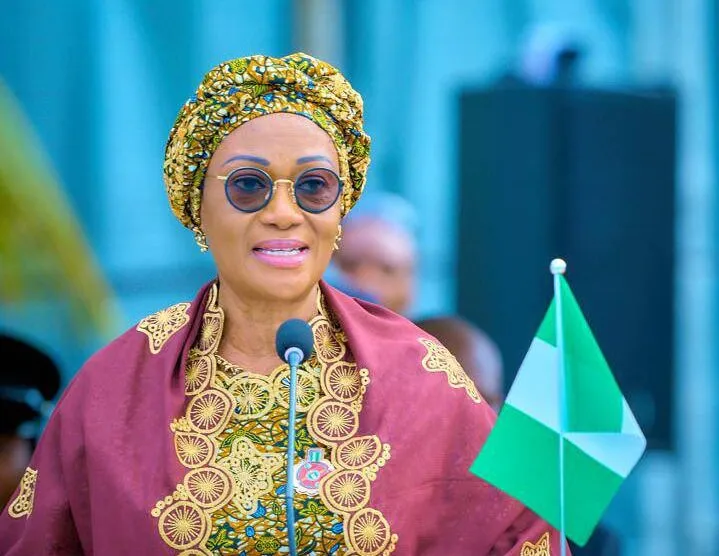
Nigeria continues to face significant economic challenges. Poverty remains one of the most pressing issues affecting millions of citizens. However, several leaders and advocates continue to champion initiatives that promote social support, economic inclusion, and community development. Among them, Nigeria’s First Lady, Oluremi Tinubu, has steadily positioned herself as a strong advocate for programmes aimed at reducing poverty and improving the welfare of vulnerable Nigerians.
Through humanitarian initiatives, social intervention programmes, and empowerment campaigns, Oluremi Tinubu has focused on addressing poverty from multiple angles. Her approach combines direct relief efforts with long-term strategies that promote self reliance and economic participation.
Commitment to Social Welfare
One of the defining aspects of Oluremi Tinubu’s public service is her strong commitment to social welfare. Over the years, she has supported programmes that provide assistance to vulnerable communities across Nigeria.
These efforts often target groups that face the greatest economic challenges. Such groups include widows, elderly citizens, women, and young people struggling to find opportunities.
By focusing on these populations, her initiatives aim to reduce hardship while also restoring dignity and hope.
In addition, the First Lady frequently uses humanitarian outreach programmes to deliver direct support. Food distribution initiatives, healthcare assistance, and community development activities remain key components of her poverty alleviation efforts.
Empowering Women as Drivers of Economic Growth
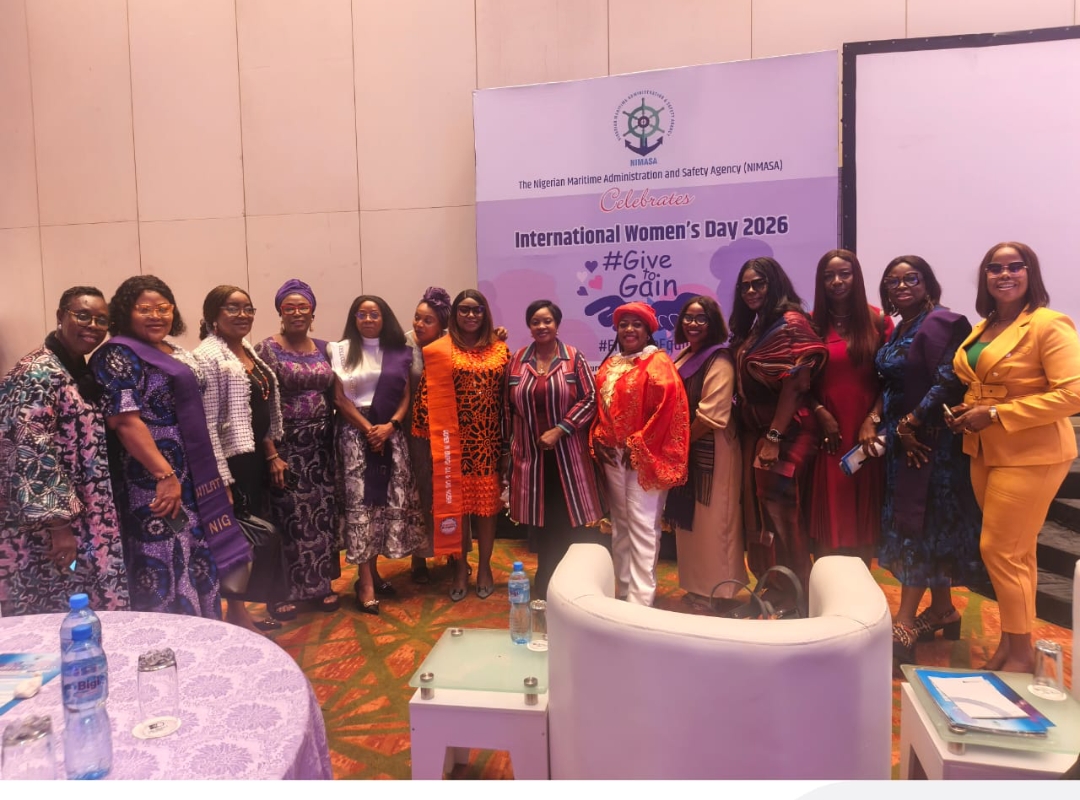
Another central pillar of Oluremi Tinubu’s anti poverty agenda focuses on women’s empowerment. Women represent a significant part of Nigeria’s economic potential. However, many women still face barriers in accessing education, finance, and leadership opportunities.
Recognising this gap, the First Lady has consistently advocated for programmes that empower women economically and socially.
Women’s empowerment programmes help women start businesses, acquire vocational skills, and gain access to resources that support entrepreneurship.
When women become financially independent, the impact extends beyond individual households. Families become more stable. Children gain better access to education and healthcare. Communities also experience stronger economic growth.
Therefore, empowering women remains one of the most effective ways to reduce poverty across society.
Supporting Youth Development
Youth empowerment also plays an important role in Oluremi Tinubu’s development agenda.
Nigeria has one of the largest youth populations in the world. While this presents enormous opportunities, it also creates challenges when young people lack access to employment and economic opportunities.
To address this issue, initiatives linked to the First Lady’s programmes often promote skills development, entrepreneurship, and education.
These initiatives encourage young people to become innovators, job creators, and active contributors to national development.
By investing in youth capacity, such programmes aim to build a generation capable of driving Nigeria’s economic transformation.
Strengthening Community Based Support
Oluremi Tinubu’s poverty reduction efforts also highlight the importance of community support systems.
Many of her outreach activities involve collaboration with community leaders, religious organisations, and civil society groups. These partnerships help ensure that support reaches the people who need it most.
Community based programmes also promote social cohesion. When citizens work together to support vulnerable groups, stronger communities emerge.
Such cooperation strengthens national unity while addressing social and economic challenges.
A Vision for Inclusive Development
Beyond direct humanitarian assistance, the First Lady continues to advocate for inclusive development across Nigeria.
Inclusive development ensures that economic progress benefits all citizens, not just a select few. It focuses on expanding access to opportunities in education, healthcare, entrepreneurship, and infrastructure.
By promoting policies and initiatives that support inclusion, Oluremi Tinubu encourages a development model that prioritises human welfare.
Looking Toward the Future
The fight against poverty requires sustained commitment from government, private sector institutions, civil society organisations, and individual advocates.
Oluremi Tinubu’s dedication to humanitarian service highlights the important role that leadership and advocacy can play in addressing social challenges.
While poverty remains a major national concern, continued efforts in empowerment, education, and community development can gradually transform lives.
Through sustained initiatives and strategic partnerships, programmes championed by the First Lady aim to contribute to a future where more Nigerians have access to opportunities, dignity, and economic stability.