David Benjamin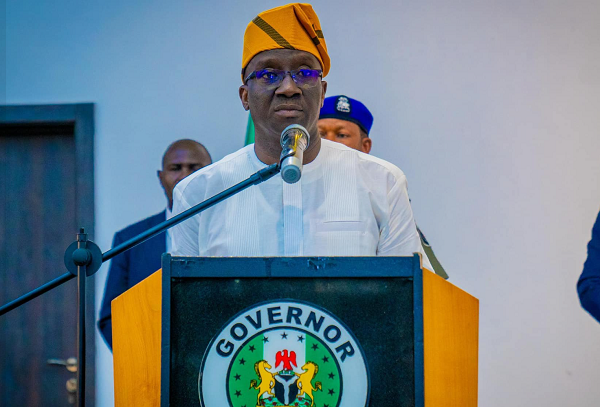
Nigeria’s electricity sector has long struggled with structural inefficiencies, limited generation capacity, and persistent distribution bottlenecks. These challenges have slowed economic growth, disrupted businesses, and affected the daily lives of millions of Nigerians.
According to Monday Okpebholo, these challenges are compounded by decades of underinvestment and policy inconsistencies. He explains that while efforts have been made to reform the sector, progress has often been slow and uneven.
Limited Generation Capacity
One of the biggest problems is the country’s inadequate electricity generation capacity. Many power plants operate below installed capacity due to technical failures, fuel shortages, and aging infrastructure. As a result, supply often fails to meet demand, especially in densely populated urban areas.
Okpebholo adds that the gap between generation and demand will continue to widen unless significant investment is made in modernizing plants and exploring alternative energy sources. Without action, millions of households and businesses may remain underpowered or entirely without reliable electricity.
Distribution Bottlenecks
Even when electricity is generated, distribution remains a major obstacle. Transmission lines are often outdated, poorly maintained, and prone to technical losses. Consequently, a significant portion of electricity never reaches consumers.
Distribution companies also face operational challenges, such as billing disputes, revenue collection difficulties, and limited coverage in rural areas. According to Okpebholo, addressing these issues is just as critical as improving generation capacity.
Structural Inefficiencies
Beyond generation and distribution, structural inefficiencies continue to plague the sector. Regulatory frameworks are sometimes unclear or poorly enforced, and coordination between government agencies, private operators, and regulators remains weak.
Okpebholo highlights that lack of transparency and accountability has discouraged investment. Many private investors are reluctant to commit to a sector where risks and uncertainties remain high.
Economic and Social Impacts
The electricity challenges have far-reaching effects on both businesses and households. Industries face higher production costs due to frequent blackouts. Small and medium enterprises, in particular, struggle to survive and grow.
For households, unreliable electricity disrupts daily life, education, and access to modern technology. In some areas, communities rely entirely on alternative sources such as generators or solar panels, which can be expensive and environmentally harmful.
Calls for Reform
Experts, including Okpebholo, argue that comprehensive reform is urgently needed. This includes upgrading power plants, modernizing transmission and distribution networks, and improving regulatory oversight.
He also stresses the importance of attracting private investment, enforcing effective policies, and implementing better management practices. Additionally, exploring renewable energy and decentralized power solutions could provide long-term sustainability.
Looking Ahead
Despite these challenges, Nigeria’s electricity sector holds significant potential. With coordinated government action, strategic investment, and strong governance, the country could overcome inefficiencies and provide reliable power to its citizens.
According to Monday Okpebholo, improving electricity supply is not just a technical issue; it is vital for economic growth, social welfare, and national competitiveness. Reforming the sector must remain a top priority for policymakers, private operators, and civil society alike.