occidental view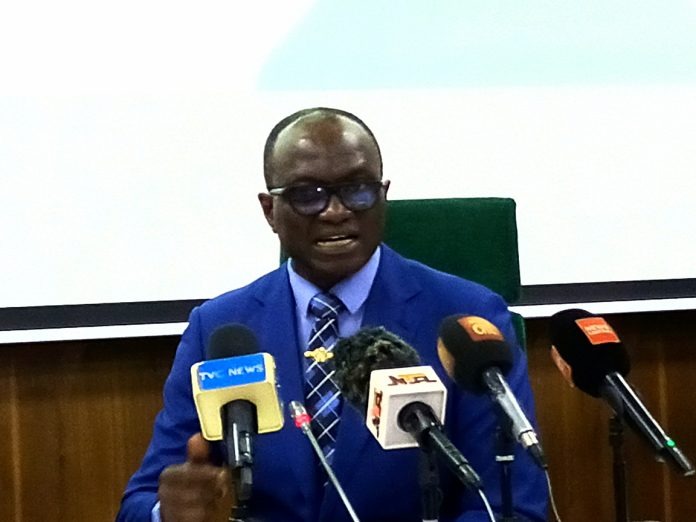
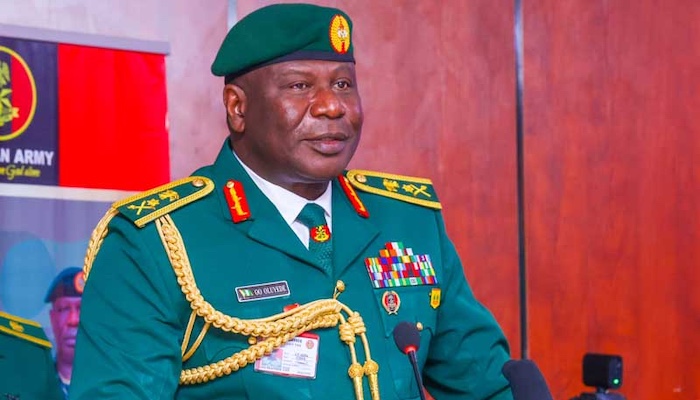
Major General Laka Adamu, the head of the National Counter-Terrorism Centre (NCTC), has called on the media to exercise greater responsibility when reporting sensitive security issues. His remarks come amid growing concerns about the impact of sensationalized reporting on national security and public perception.
The Role of Media in National Security
General Adamu emphasized that the media plays a crucial role in shaping public opinion. However, when it comes to sensitive security matters, responsible reporting is paramount. “Inaccurate or sensationalized news can create panic and misinformation,” he warned. This can exacerbate existing security challenges and hinder effective responses.
Moreover, the dissemination of incorrect information can undermine public trust in security agencies. It can lead to confusion about the realities of threats faced by the nation. Adamu noted, “Clarity and accuracy are essential when reporting incidents related to national security.”
He encouraged media professionals to verify information before broadcasting it. Engaging with experts and authorities can offer more accurate insights. By doing so, the media can contribute positively instead of amplifying fear and uncertainty.
Consequences of Sensational Reporting
The consequences of irresponsible media reporting are far-reaching. Reports that exaggerate threats can prompt unnecessary panic among citizens. For instance, discussions around terrorism and criminal activities must be approached with caution to avoid fueling public anxiety.
Additionally, sensationalized reporting can complicate the work of security agencies. When the media misrepresents incidents, it may lead to misguided public expectations. General Adamu pointed out that armed forces and security agencies rely on public cooperation to effectively counter threats. Misinformation can create barriers, hampering their efforts.
Furthermore, fake news and unverified rumors can distract from ongoing operations. Security personnel need clarity to manage real threats effectively. Thus, the media should focus on promoting understanding rather than generating sensational headlines.
To combat these issues, the NCTC is committed to engaging with media outlets. Adamu stated, “We want to work together to create a more informed public discourse.” The collaboration aims to foster a more responsible media approach to reporting security matters.
Conclusion: A Collective Responsibility
In conclusion, media must report security matters responsibly to support national security efforts. Major General Laka Adamu’s call for accountability in reporting highlights the crucial role of the media in shaping perceptions.
As misinformation continues to pose challenges, it’s vital for journalists to prioritize accuracy. By ensuring responsible reporting, the media can help build trust between the public and security agencies. This collaboration will ultimately contribute to a safer environment for all Nigerians.
By focusing on responsible journalism, media professionals can support informed public discussions. A well-informed citizenry is better equipped to engage with security issues constructively. As such, collective efforts towards accuracy in reporting will enhance Nigeria’s security landscape.