occidental view
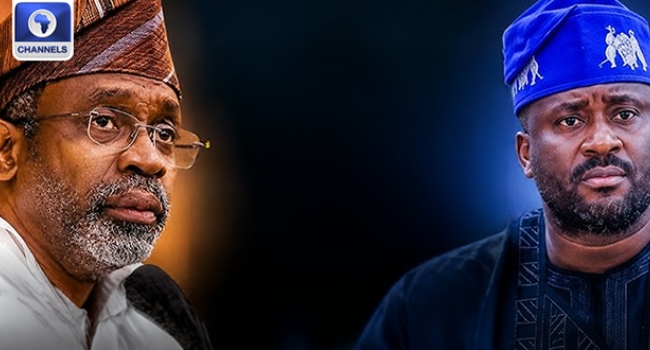
Rep. James Faleke, Chairman of the House of Representatives Committee on Finance, has assured Nigerians of fair and acceptable tax reform laws in the near future. The proposed changes aim to enhance the efficiency of tax collection and improve the overall tax system in Nigeria.
Enhancing the Tax System
Faleke emphasized the importance of reforming the tax system to meet modern economic demands. He stated, “Our goal is to create a tax framework that is not only efficient but also equitable.” The proposed tax reforms seek to address the loopholes and inefficiencies that have long plagued Nigeria’s revenue collection efforts.
The need for tax reform has become increasingly urgent as the government grapples with economic challenges. A more effective tax system could provide the necessary resources for critical public services. By ensuring that tax laws are fair, the government aims to build trust with citizens and enhance compliance.
Furthermore, these reforms are expected to stimulate economic growth. By simplifying the tax code, businesses will find it easier to comply, ultimately leading to increased investments. Faleke’s commitment to these reforms signals a new era of accountability and transparency in tax administration.
Key Features of the Upcoming Tax Reforms
The upcoming tax reforms will focus on several key areas. Simplification of the tax code is a priority. By reducing complexity, the government hopes to make compliance easier for individuals and businesses alike. This simplification is vital for promoting higher tax compliance rates.
Another significant feature will be the introduction of progressive taxation, where higher earners pay a larger share. This approach ensures that the tax burden is distributed more equitably across different income levels. Such measures can help reduce income inequality and enhance social justice.
Additionally, the reforms will address the informal economy, which has long been a challenge in Nigeria. By incorporating more informal businesses into the tax system, the government aims to broaden the tax base and increase revenue.
Faleke also highlighted the importance of stakeholder engagement during the reform process. “We want to ensure that all voices are heard,” he said. Engaging with citizens, businesses, and civil society will help create reforms that are practical and beneficial for all parties involved.
Conclusion: Faleke Promises Fair Tax Reform Laws
Rep. James Faleke’s commitment to creating fair tax reform laws signals a positive shift in Nigeria’s approach to taxation. By focusing on efficiency, equity, and stakeholder engagement, the government hopes to create a system that meets the needs of its citizens while boosting economic growth.
Successful tax reform will not only enhance revenue collection but also build public trust. As Nigerians await these changes, there is hope for a tax system that supports national development and fairness in fiscal policy.
FAQ Section
What are the proposed tax reforms in Nigeria?
The proposed tax reforms aim to simplify the tax code, introduce progressive taxation, and address the informal economy.
Who is Rep. James Faleke?
Rep. James Faleke is the Chairman of the House of Representatives Committee on Finance, advocating for acceptable tax reform laws in Nigeria.
Why is tax reform important for Nigeria?
Tax reform is crucial for enhancing revenue collection, promoting economic growth, and ensuring an equitable tax system for citizens.
How will these reforms impact the informal economy?
The reforms aim to incorporate more informal businesses into the tax system, broadening the tax base and increasing government revenue.


 Owen Kolawole
 Eva Oluwabunmi