occidental view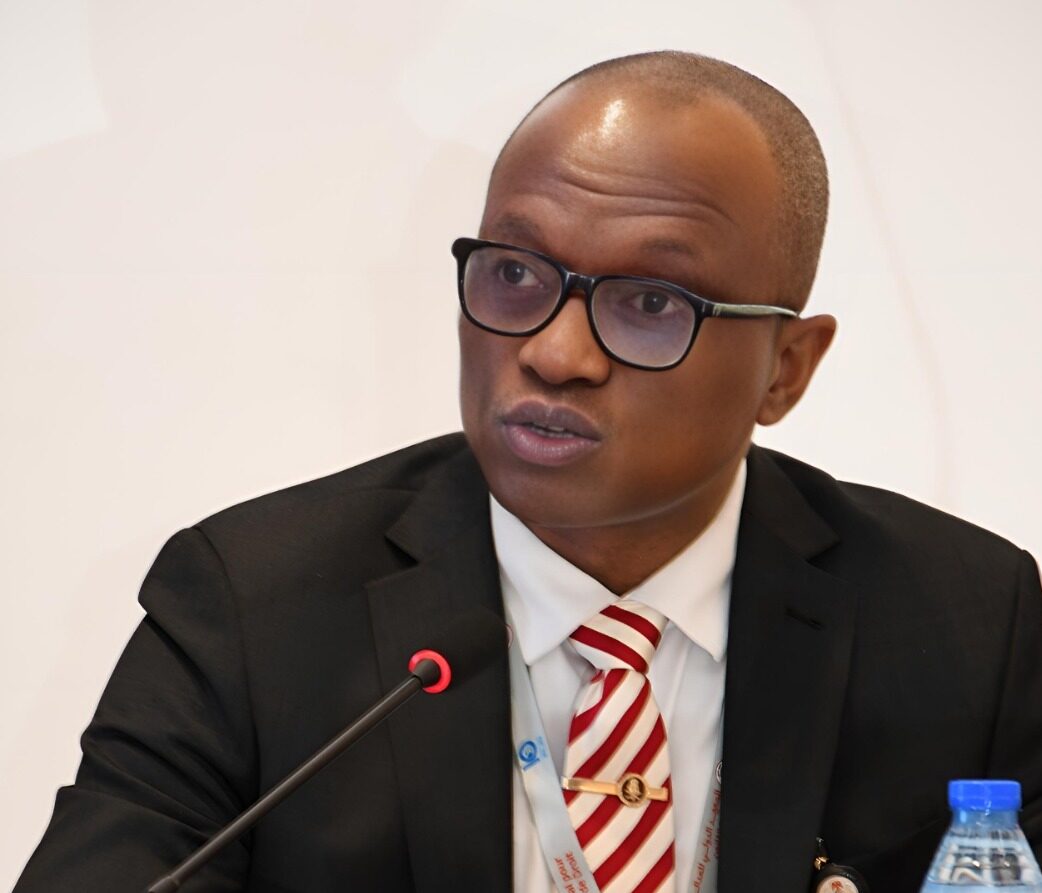
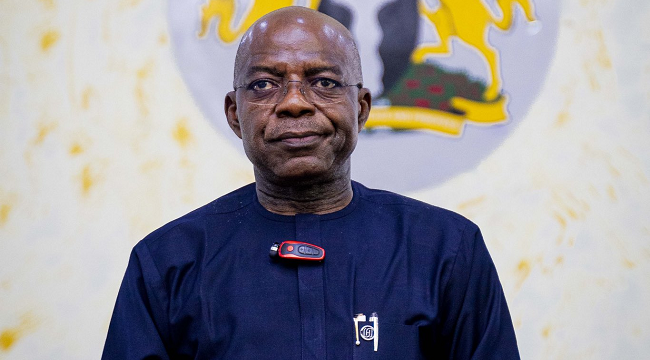
Major General Garba Laka, the National Coordinator of the National Counter Terrorism Centre (NCTC), has warned that recent coups in the Sahel region are exacerbating insecurity within Nigeria. His comments highlight a growing concern over regional instability and its direct implications for national security.
Rising Threats from the Sahel
The Sahel region, encompassing several countries to the north of Nigeria, has experienced a surge in political instability due to frequent coups. These upheavals have destabilized governments and created a power vacuum that extremist groups exploit. Major General Laka points out that as these groups gain momentum, they present a heightened threat to Nigeria.
In recent years, Nigeria has already faced significant challenges from various terrorist organizations, including Boko Haram and ISWAP (Islamic State West Africa Province). The influx of radical elements from Sahelian countries complicates the existing security landscape. With porous borders and weak governance in neighboring nations, these threats are increasingly spilling over into Nigeria.
The NCTC’s comprehensive assessments indicate that Nigeria could expect a surge in violent incidents linked to these extremist groups if the regional instability continues. This trend not only endangers lives but also disrupts everyday life, stifling economic activities and eroding public trust in the government and security agencies.
Strategic Responses Needed
To address this escalating situation, General Laka emphasizes the need for coordinated efforts both domestically and regionally. While Nigeria has made strides in combating terrorism, a multifaceted approach is essential for a sustainable solution. Collaborative intelligence-sharing systems among West African nations can help counteract the spread of militancy.
Moreover, strengthening border security will be crucial in curbing the movement of armed groups. Equipping and training border patrol units can enhance efforts to prevent criminal elements from infiltrating Nigerian territories. Increasing community engagement is equally important, as local populations can serve as valuable allies in identifying and reporting suspicious activities.
In addition, the Nigerian government must address underlying issues such as poverty and unemployment, which often serve as breeding grounds for extremism. Economic development initiatives focused on disenfranchised communities can mitigate some of the vulnerabilities that lead to recruitment by extremist groups.
Conclusion: United Front is Essential
In conclusion, Major General Garba Laka’s warnings regarding the impact of coups in the Sahel on Nigeria’s insecurity serve as a critical reminder of the interconnectedness of regional stability. As Nigeria faces mounting threats from neighboring countries, a united approach becomes vital for national security.
Addressing this crisis requires both immediate and long-term strategies that involve military action, community engagement, and economic revitalization. Only through comprehensive action can Nigeria hope to secure a stable future amidst regional turmoil.
FAQ Section
How do coups in the Sahel affect Nigeria?
Coups in the Sahel destabilize governments, creating a power vacuum that extremist groups exploit, increasing insecurity in Nigeria.
Who is Major General Garba Laka?
Major General Garba Laka is the National Coordinator of the National Counter Terrorism Centre (NCTC), overseeing Nigeria’s counter-terrorism strategies.
What are the main terrorist threats to Nigeria?
The primary threats include Boko Haram and ISWAP, which are exacerbated by regional instability and the influx of radical elements from the Sahel.
What strategies can Nigeria use to combat these threats?
Suggested strategies include improved border security, community engagement, intelligence sharing among nations, and addressing poverty and unemployment.
Why is regional stability important for Nigeria?
Regional stability is crucial to preventing the spillover of violence and extremism into Nigeria, ensuring national security and public safety.