David Benjamin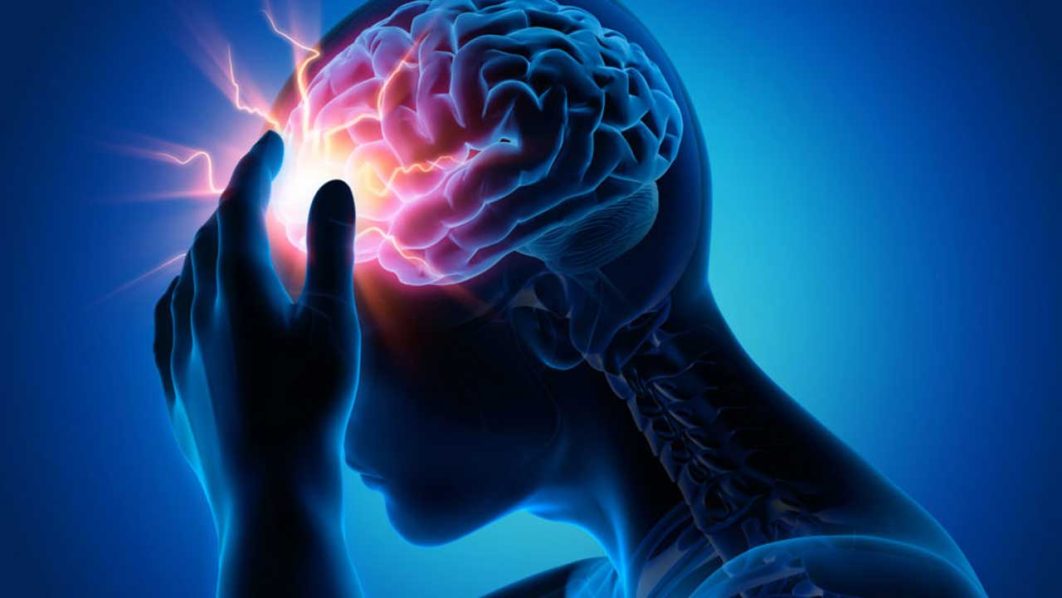
Dr. Temitope Farombi, a consultant neurologist at the University College Hospital, Ibadan, has projected that the number of Nigerians suffering from brain-related disorders could triple by 2030.
Speaking on Monday, Farombi highlighted that hypertension affects one in four Nigerians, while one in six has diabetes, identifying these conditions as major contributors to neurological disorders in the country.
Farombi, who is also the founder of The Brain Centre, underscored the transformative impact the newly established facility will have on Nigeria’s healthcare system.
“The center is dedicated to improving the lives of patients with neurological disorders and stands as a beacon of hope, innovation, and excellence,” he stated.
He further stressed the need for government support to retain medical talent within the country.
“I know we have the expertise because I was trained abroad. To retain our best minds, we need policies that provide adequate support. After receiving over 20 years of government-funded training, I chose to stay and contribute to my community. This is our way of giving back to both the government and society,” he said.
Farombi noted that non-communicable diseases like diabetes and hypertension are the leading causes of neurological disorders in Nigeria.
“Currently, one in four Nigerians has hypertension, and one in six has diabetes. These serious non-communicable diseases are the primary drivers of neurological conditions in the country,” he explained.
He also warned that neurological conditions such as epilepsy, stroke, chronic headaches, insomnia, depression, and other mental health disorders could become three times more prevalent by 2030.
“Our goal is to ensure that individuals affected by neurological disorders receive proper treatment and reintegrate into society,” he concluded.