David Benjamin
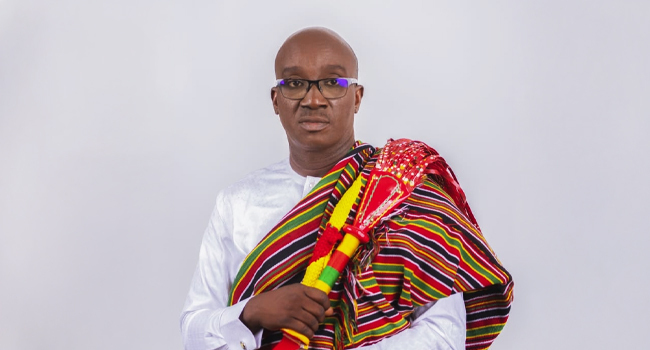
Abba Aliyu has emerged as a pivotal figure in Nigeria’s efforts to enhance rural electrification. As the head of the Rural Electrification Agency (REA), his leadership has brought significant change to communities across the nation. His commitment to expanding electricity access in rural areas is crucial for Nigeria’s development.
A Vision for Sustainable Energy
Under Abba Aliyu’s leadership, the REA has launched several initiatives aimed at providing sustainable energy solutions. Recognizing that traditional power grids often fail to reach remote areas, Aliyu has prioritized off-grid solutions. These include solar mini-grids and standalone solar systems that can provide electricity where it is most needed.
Aliyu’s vision is not just about providing electricity; it’s about fostering development. Access to reliable power has transformative effects on education, healthcare, and local economies. Schools equipped with electricity can offer evening classes, enhancing educational opportunities for children. Health facilities can operate essential services, improving patient care and outcomes.
Moreover, electricity enables local businesses to thrive. Entrepreneurs can extend their working hours and invest in technology that boosts productivity. This economic upliftment is vital for creating jobs and reducing poverty in rural communities.
Aliyu understands that electrification must be sustainable. He emphasizes renewable energy sources, particularly solar power, to minimize environmental impact. By promoting clean energy, he aligns Nigeria’s electrification efforts with global sustainability goals. This forward-thinking approach not only addresses immediate needs but also considers long-term implications.
Community Engagement and Capacity Building
A key aspect of Aliyu’s strategy is community involvement. He believes that local engagement is essential for the success of electrification projects. By involving community members in planning and implementation, the REA ensures that projects meet specific local needs.
Training and capacity-building programs are also integral to his approach. Residents are trained in the operation and maintenance of energy systems. This empowerment fosters a sense of ownership and responsibility among community members. It also helps ensure that electrification projects remain functional and sustainable over time.
Aliyu’s efforts have not gone unnoticed. Many communities have expressed gratitude for the positive changes brought about by electrification. Testimonials from residents highlight improvements in their quality of life. Families now enjoy the benefits of electricity, from better lighting to access to information and communication technologies.
However, challenges remain. The scale of the electrification task is immense, and funding can be a significant barrier. Aliyu continues to seek partnerships with private investors and international organizations to expand the reach of the REA’s initiatives. Collaborative efforts are essential to overcoming these hurdles and achieving broader electrification goals.
Conclusion
Abba Aliyu’s leadership at the Rural Electrification Agency represents a transformative force in Nigeria’s energy landscape. His commitment to sustainable, community-driven electrification projects has the potential to change lives across rural areas. By prioritizing renewable energy and engaging local communities, Aliyu is paving the way for a brighter future.
As Nigeria continues to face energy challenges, the work of leaders like Aliyu is essential. His vision and dedication to rural electrification will play a crucial role in ensuring that every Nigerian has access to reliable electricity. The impact of his efforts will resonate for generations, lighting the way toward a more prosperous and equitable future for all.


 occidental view