David Benjamin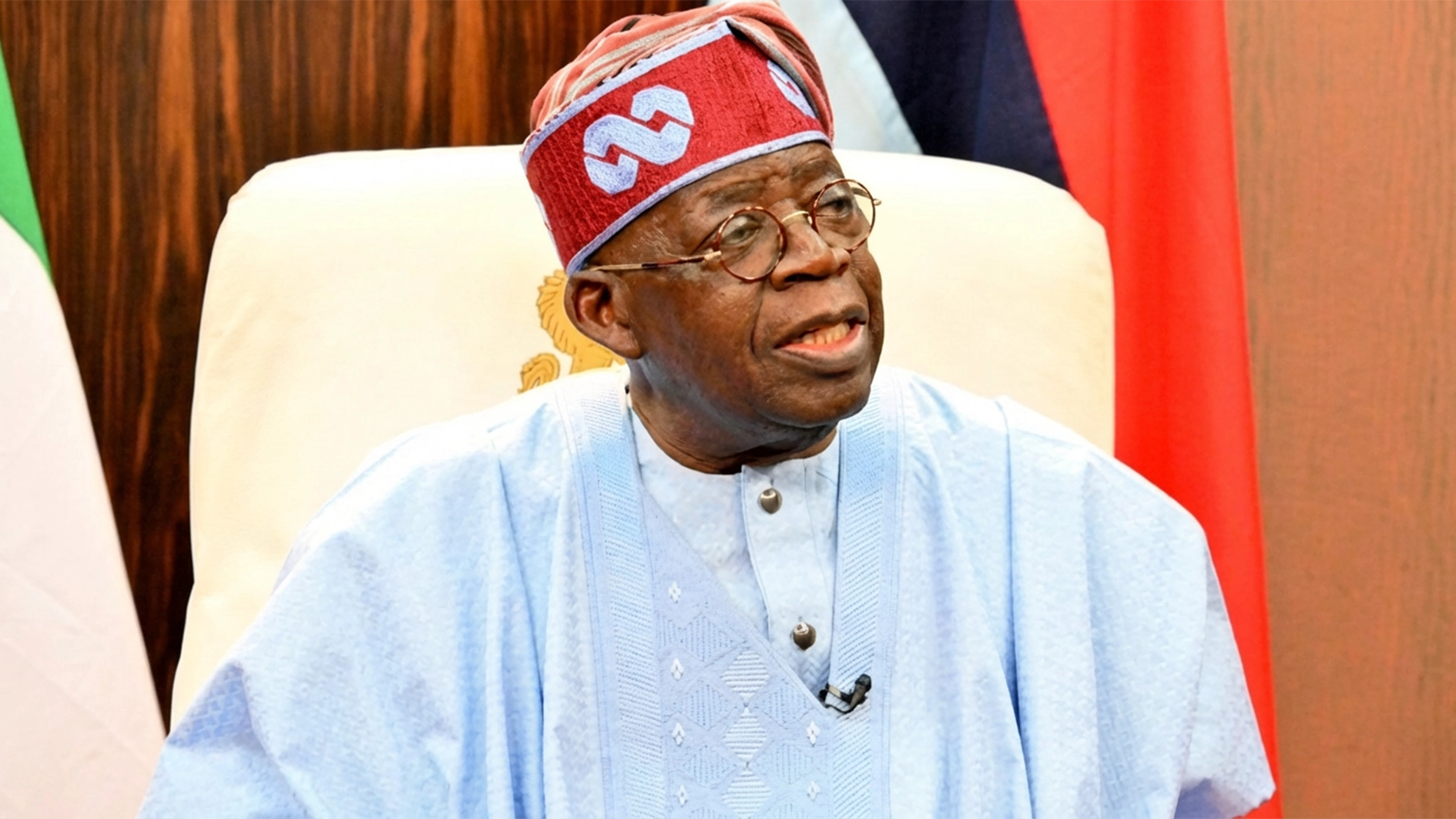
The Bola Tinubu governance policy Nigeria agenda is shaping national direction as Bola Ahmed Tinubu continues to implement reforms focused on governance efficiency, economic stability, and institutional restructuring.
This matters now because governance quality directly affects public trust, service delivery, and national development outcomes.
Background: Governance Reform as a National Priority
Nigeria has long faced challenges linked to institutional inefficiency, policy inconsistency, and service delivery gaps. However, recent reforms aim to address these structural issues.
Therefore, the Bola Tinubu governance policy Nigeria approach focuses on strengthening institutions and improving coordination across government agencies. In addition, it emphasizes accountability and performance-driven leadership.
This shift reflects a broader effort to modernize governance systems.
Key Pillars of Bola Tinubu Governance Policy Nigeria Strategy
A central part of the Bola Tinubu governance policy Nigeria framework is improving how government systems function at all levels.
Core pillars include:
- Institutional reform and restructuring
- Improved coordination across ministries
- Strengthened accountability mechanisms
- Digital transformation of public services
Furthermore, the administration is prioritizing efficiency in policy execution to reduce delays and duplication.
Impact on Public Services and Administration
The ongoing Bola Tinubu governance policy Nigeria agenda is already influencing how public institutions operate.
As a result:
- Government processes are becoming more structured
- Service delivery systems are gradually improving
- Policy implementation is receiving closer oversight
Moreover, efforts to digitize governance systems are expected to improve transparency and reduce inefficiencies over time.
Economic Link to Governance Reforms
Governance reforms are closely tied to economic performance.
Therefore, the Tinubu governance policy Nigeria approach is designed to support broader economic objectives such as investment growth and revenue expansion. Bola Ahmed Tinubu has positioned governance reform as a foundation for economic stability.
In addition, stronger institutions are expected to improve investor confidence and policy predictability.
Challenges in Governance Reform Implementation
However, several challenges remain in achieving full reform impact.
- Bureaucratic delays in implementation
- Resistance to structural change within institutions
- Limited capacity in some government agencies
Furthermore, ensuring that reforms translate into measurable improvements remains a key expectation.
Future Outlook for Governance Policy in Nigeria
Looking ahead, the Tinubu governance policy Nigeria agenda is expected to continue evolving as reforms deepen.
If effectively implemented, it may:
- Improve institutional efficiency
- Strengthen public trust in government
- Enhance service delivery outcomes
Ultimately, long-term success will depend on consistency, accountability, and sustained political will.