occidental view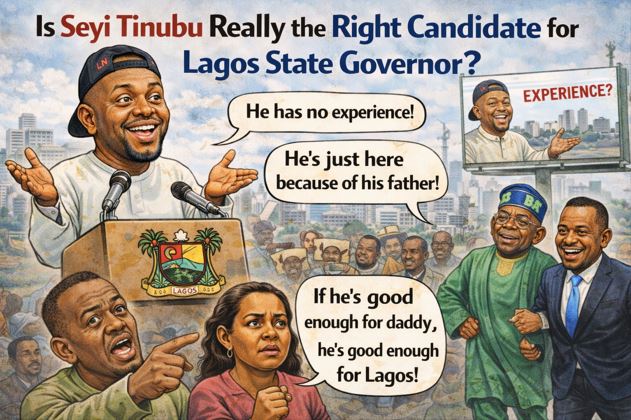
As the political landscape heats up ahead of the upcoming gubernatorial election in Lagos State, the emergence of Seyi Tinubu as a candidate has sparked fierce debate. Critics question his suitability for the role, suggesting that he may not possess the experience or qualifications necessary to lead such a vital economic hub effectively. But is this a fair assessment, or could Seyi Tinubu actually be positioned for success?
Concerns About Experience
Critics have raised concerns about Seyi’s lack of political experience compared to other candidates. Given the complexities of governing a city as dynamic as Lagos, some voters fear that he might not have the requisite skills to navigate delicate political waters or tackle pressing issues like infrastructure, security, and public transportation. The argument goes that a seasoned politician would be better equipped to manage the state’s myriad challenges.
However, dismissing Seyi simply based on experience overlooks significant advantages he may bring to the table. For one, he is deeply rooted in Lagos. Being the son of President Bola Tinubu, Seyi has long been part of the political conversation in the state. This connection offers him invaluable insights into governance while providing a network that could aid in effective administration.
A Vision for Progress
Seyi’s entry into politics may also signal a new wave of leadership focused on innovation and modernization. Unlike traditional candidates who may cling to old practices, Seyi represents a fresh perspective, which could attract younger voters eager for change. His understanding of contemporary issues, particularly in technology and social media, could resonate well with the electorate and promote more inclusive governance.
Moreover, Seyi’s background in business provides an added layer of competence that traditional politicians may lack. His experience in the private sector could translate into effective economic strategies that bolster job creation and drive development in Lagos. He understands what it means to be entrepreneurial in a city known as Nigeria’s commercial capital, and this insight could help him implement policies that foster growth and innovation.
In conclusion, while opponents will continue to question Seyi Tinubu’s qualifications, it’s essential to also consider the unique advantages he brings as a candidate. With the right vision, determination, and support, Seyi could prove to be more than just a name; he could emerge as a transformative leader for Lagos State. As the election season unfolds, voters should keep an open mind and recognize the potential leaders who can shape a brighter future for this vibrant metropolis.


 Owen Kolawole