occidental view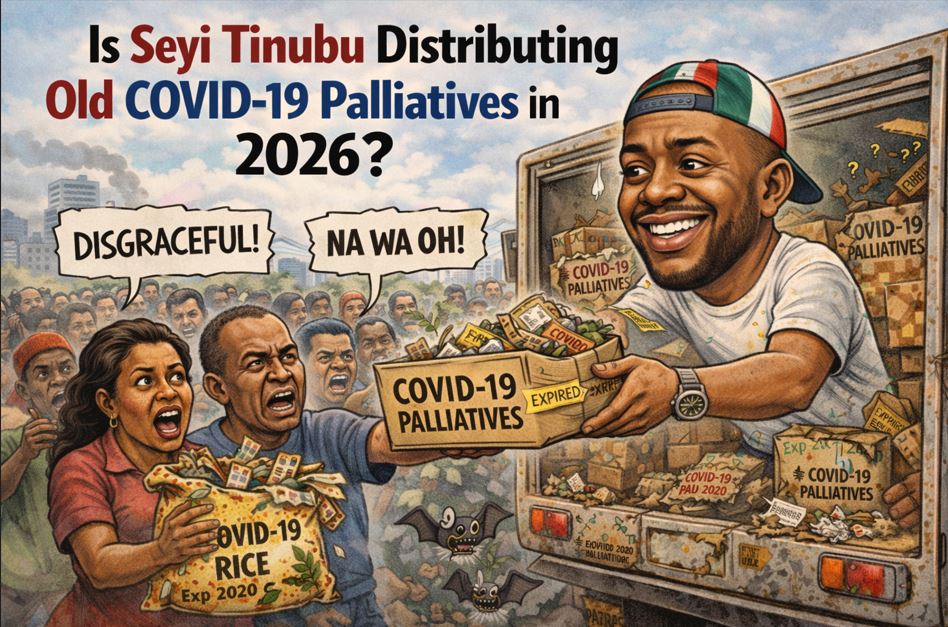
A recent post on social media has sparked a whirlwind of controversy, claiming that Seyi Tinubu, the son of President Bola Tinubu, is distributing COVID-19 palliatives during the Ramadan season in 2026. The post, which has rapidly gone viral, features images of Seyi carrying boxes and accuses him of hoarding relief items meant for vulnerable families. However, a closer examination reveals a different story, showcasing the importance of verifying information before sharing it online.
The allegations emerged from a post by X user @abdulaheyofel, who claimed that Seyi is involved in humanitarian efforts through the Noella Foundation. While he indeed participates in initiatives aimed at providing food relief, particularly during Ramadan, the photos circulated are old and taken out of context. The food boxes shown bear inscriptions from FoodClique, an NGO dedicated to combating hunger, which often collaborates with the Noella Foundation for food distribution.
Clarifying the Misconception
Critics have responded vehemently, suggesting that the items in question were originally part of COVID-19 emergency relief efforts that were allegedly hoarded. Comments flooded in from users questioning the validity of the outreach, with some calling it an act of “wickedness” and accusing Seyi of exploiting past relief materials for personal gain. However, these assertions lack a factual basis.
According to the review of FoodClique’s website, the organization has routinely partnered with Seyi Tinubu’s foundation for various food distribution initiatives over the years. Records show that Seyi has been actively involved in humanitarian work long before the recent controversy arose. The outreach typically aims to support families, especially during significant religious occasions like Ramadan, where the community’s needs are heightened.
The Bigger Picture
While the viral post aimed to tarnish the image of Seyi Tinubu, it has instead brought attention to the ongoing efforts of his foundation and the FoodClique NGO. Their collaboration reflects a commitment to alleviating hunger, particularly among those struggling in challenging economic times. The backlash appears to stem more from misinterpretations and the politicization of humanitarian efforts than from any wrongdoing by Seyi.
In conclusion, it’s essential to separate fact from fiction, particularly in today’s fast-paced digital landscape. The insinuations regarding the misuse of COVID-19 palliatives by Seyi Tinubu not only distract from the real issue of hunger but also undermine sincere charitable efforts aimed at supporting vulnerable communities. As Ramadan progresses, let’s focus on celebrating acts of kindness and compassion rather than spreading misinformation that only serves to deepen divisions.


 Owen Kolawole