occidental view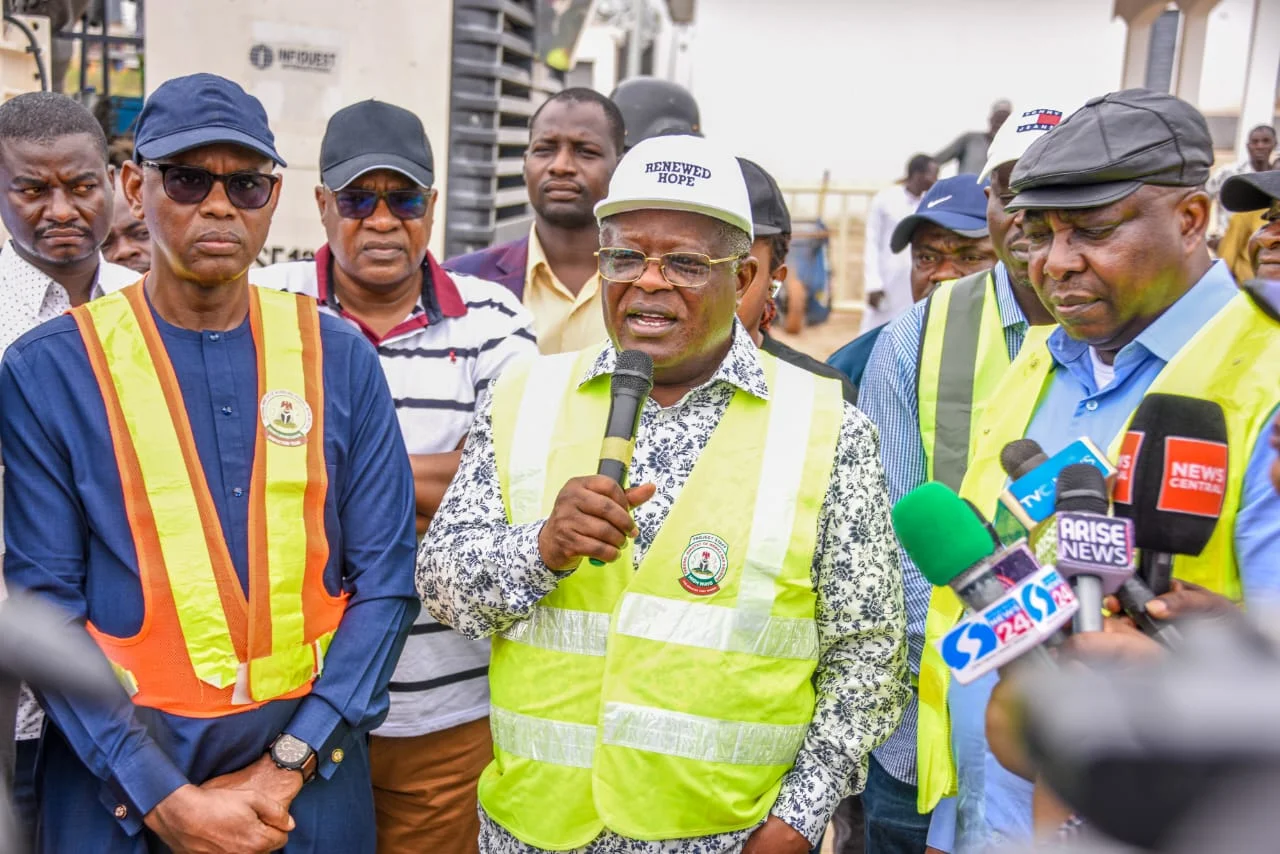
In a significant move to enhance infrastructure and transportation, Governor Dave Umahi has terminated several ongoing road projects in Kogi State due to non-performance by the contractors. This decision highlights the government’s commitment to ensuring that critical infrastructure projects meet expected standards and timelines.
Addressing Infrastructure Challenges
Governor Umahi’s action comes amidst persistent challenges in Kogi State’s road construction sector. Many of the projects aimed to improve connectivity and support economic growth have faced delays and subpar execution. The governor emphasized that infrastructure developments are crucial enablers of growth, which is why non-performing contracts could no longer be tolerated.
The terminated contracts affect key roadways essential for local transportation and commerce. Umahi expressed frustration over the lack of progress in these projects, asserting that Kogi deserves quality infrastructure that meets the needs of its residents. By cancelling these contracts, the state government aims to redirect resources toward more capable contractors who can deliver results.
In a statement, Umahi encouraged stakeholders in the construction industry to step up their performance standards. He believes that accountability is essential for ensuring that public funds are effectively utilized. The governor’s commitment to infrastructure development reflects a broader strategy to enhance Kogi’s economic potential by improving accessibility and transportation networks.
New Directions for Road Development
With the cancellation of these projects, the Kogi State government is set to re-evaluate its approach to road development. Umahi hinted at engaging new contractors who have a proven track record of delivering projects on time and within budget. This shake-up in the construction sector is intended to instill a sense of urgency and responsibility among firms involved in public works.
In addition, the governor plans to implement stricter monitoring and evaluation mechanisms for future contracts. This will ensure that projects are continuously assessed for performance, mitigating the risk of delays and poor execution. The goal is to create a sustainable framework where infrastructure projects effectively contribute to the state’s growth.
Moreover, Umahi’s administration is exploring innovative funding strategies to finance these road developments. By seeking partnerships with private investors or utilizing alternative financing models, Kogi State aims to expedite the completion of essential infrastructure projects.
Conclusion: A Commitment to Progress
In conclusion, Governor Dave Umahi’s decision to terminate non-performing road projects in Kogi State is a pivotal step toward ensuring effective infrastructure development. By taking a firm stance on accountability, Umahi aims to foster an environment where quality and efficiency are paramount.
As the state reorients its approach to road construction, the focus will be on partnering with reliable contractors and implementing robust monitoring processes. This proactive strategy reflects Kogi’s vision for a sustainable and prosperous future.
FAQ Section
Why did Governor Umahi cancel the road projects?
Governor Umahi canceled the projects due to non-performance by the contractors, aiming for better standards in infrastructure development.
What impact do these canceled projects have on Kogi State?
The cancellation highlights the need for accountability and efficiency in public works, ensuring that resources are used effectively for infrastructure development.
How will Kogi State approach road development in the future?
Kogi State plans to engage new contractors with proven records, as well as implement stricter monitoring and evaluation of ongoing projects.
What are the goals of Umahi’s infrastructure initiatives?
The initiatives aim to enhance connectivity, support economic growth, and develop a sustainable framework for effective public works in Kogi State.

 Brenda Ayomikun
 David Benjamin