occidental view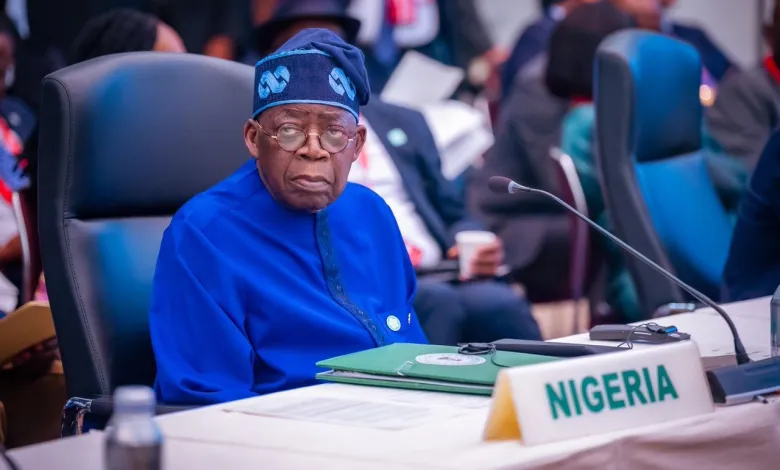
President Bola Ahmed Tinubu has expressed deep concern over Nigeria’s security crisis, stating that it is the most troubling challenge facing the nation, especially in the Northern region. This assertion highlights the urgent need for effective solutions to combat insecurity and restore peace.
Understanding the Security Crisis
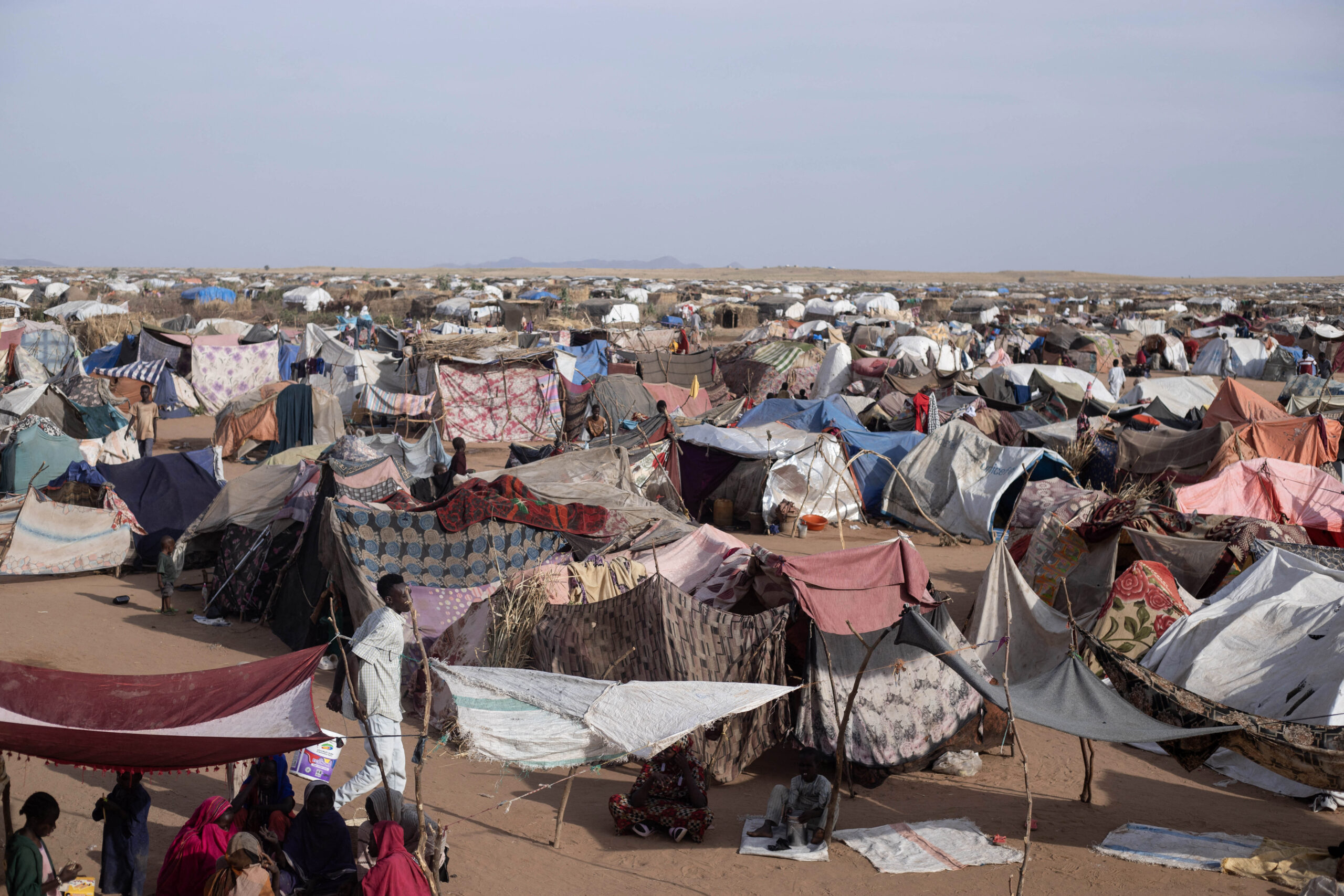
Nigeria has faced escalating insecurity over the past decade, particularly in the Northern territories. Banditry, terrorism, and ethnic conflicts have plagued communities, leading to significant loss of life and displacement. Groups like Boko Haram and various bandit factions have caused widespread fear, undermining stability and economic development.
President Tinubu’s comments reflect a growing awareness among leaders about the gravity of this crisis. The security challenges not only affect individuals and families but also hinder national progress. Farmers have been unable to cultivate their lands, students have been forced to abandon their education, and businesses struggle to operate in safe environments.
Historically, attempts to address these issues have met with mixed results. Previous administrations have deployed military forces and launched regional initiatives but have struggled to achieve lasting peace. President Tinubu aims to break the cycle of violence and create a safer Nigeria for all citizens.
A Focused Approach to Insecurity
In his address, President Tinubu outlined his administration’s commitment to addressing the security crisis. He emphasized the importance of a multifaceted approach that prioritizes not just military action but also socio-economic development.
Key strategies include enhancing intelligence operations, improving law enforcement training, and fostering collaboration between local communities and security agencies. By establishing stronger communication channels, the government can better understand the root causes of insecurity and respond effectively.
Moreover, Tinubu’s administration plans to engage with community leaders and youth organizations to develop grassroots initiatives aimed at peacebuilding. This grassroots approach recognizes that sustainable security must involve the participation of local populations. Empowering communities to take an active role in their safety can lead to more effective solutions.
In addition, economic development initiatives are critical to preventing youth from turning to violence. By investing in education, job creation, and vocational training, the government can offer alternatives to desperation. This proactive stance aims to address the underlying socio-economic issues that contribute to the security crisis.
The Path Forward for Nigeria
President Tinubu’s determination to tackle the security crisis is encouraging, but substantial challenges lie ahead. The complexities of the situation require ongoing commitment and adaptability. Continuous assessment of strategies will be pivotal in responding to evolving threats.
Implementing reforms in the security sector will need meticulous planning and execution. Building trust between the government and citizens is crucial for success. Open dialogue and transparency about security measures can help foster a sense of community ownership over safety initiatives.
Furthermore, cooperation with international partners can enhance Nigeria’s capacity to combat terrorism and banditry. Technical support, intelligence sharing, and funding can bolster Nigeria’s efforts to address these challenges effectively.
In essence, President Bola Tinubu’s acknowledgment of Nigeria’s security crisis as a primary concern underscores the urgency for collective action. With a comprehensive strategy that combines military, socio-economic, and community engagement efforts, there is potential for achieving lasting peace.
Conclusion: Tinubu: Nigeria’s Security Crisis Concerns Me Most
President Tinubu’s remarks about the security crisis highlight a critical moment in Nigeria’s history. As the nation grapples with these significant challenges, the focus must remain on unity, collaboration, and resilience. Through dedicated efforts and strategic planning, Nigeria can work towards a peaceful and secure future.
FAQ Section
What is President Tinubu’s stance on Nigeria’s security crisis?
President Bola Tinubu views the security crisis as the most troubling challenge facing Nigeria and is committed to addressing it.
What strategies are being implemented to combat insecurity?
Tinubu’s administration is focusing on enhancing intelligence operations, improving law enforcement training, and engaging communities in peacebuilding initiatives.
How does the security crisis affect Nigeria’s development?
Insecurity hampers agricultural productivity, disrupts education, and stifles business operations, leading to widespread socio-economic challenges.
What role do community leaders play in this initiative?
Community leaders are crucial for fostering grassroots initiatives that promote safety and encourage local participation in security efforts.


 David Benjamin