occidental view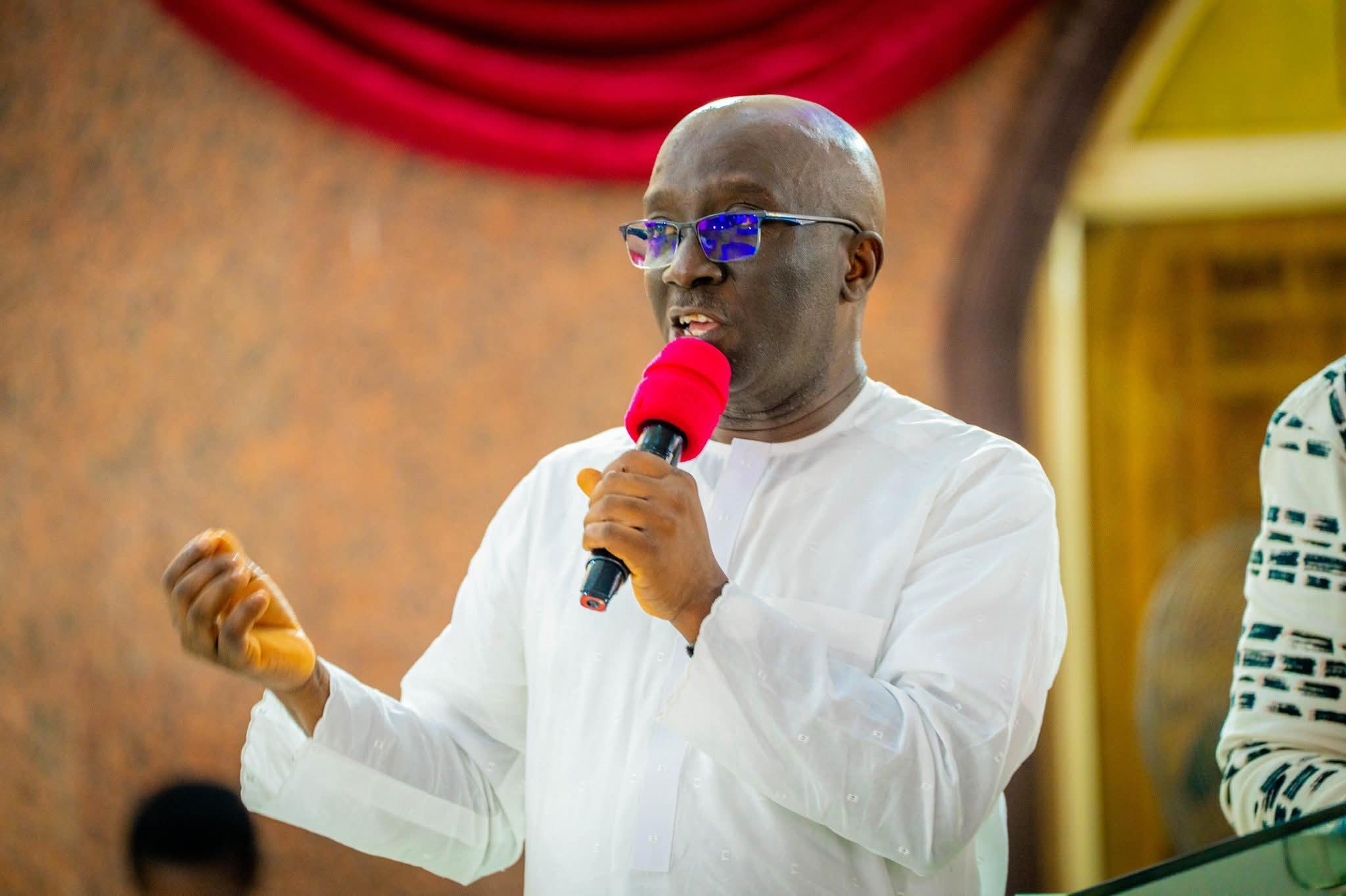
Edo State Governor Senator Monday Okpebholo recently met with the Minister of Arts, Culture, Tourism, and the Creative Economy. He presented what he called incriminating documents against the former administration regarding the Museum of West African Art (MOWAA) project. This meeting highlights ongoing efforts to address transparency and accountability in governance.
Allegations Against the Former Administration
During the meeting, Governor Okpebholo detailed the findings in these documents. He asserted they contain crucial evidence of financial mismanagement under the previous administration. Moreover, these revelations reflect his commitment to investigate operations surrounding the MOWAA project, which aims to promote West African artistic heritage.
The former administration’s handling of funds for MOWAA has come under scrutiny. This raises urgent questions about accountability and proper governance. As Edo State seeks to enhance its cultural assets, it is essential to tackle these allegations. Doing so will help restore public confidence in ongoing projects.
Governor Okpebholo emphasized that accountability is vital for effective leadership. By presenting these documents, he aims to ensure that those responsible for wrongdoing will face consequences. This proactive approach underscores his dedication to ethical governance.
The Importance of MOWAA for Edo State
The Museum of West African Art is more than just a cultural landmark; it represents a significant opportunity for tourism and economic growth. A successful museum can attract visitors locally and internationally. This influx creates jobs and stimulates the economy. However, the museum’s success hinges on transparent practices and responsible use of funds.
Governor Okpebholo’s actions show his commitment to making MOWAA a model of cultural excellence. By ensuring West African narratives are presented credibly, the museum can raise the state’s cultural profile. This effort contributes to national pride.
In his meeting with the minister, the governor expressed hope for federal support for completing the museum. Collaboration between state and federal governments could provide the necessary resources and expertise. This partnership is crucial for turning the MOWAA vision into reality.
Conclusion: A Commitment to Accountability
Governor Monday Okpebholo’s presentation of incriminating documents regarding the Museum of West African Art is a critical step toward accountability in Edo State. By prioritizing transparency and addressing mismanagement, he aims to restore public trust. This commitment will ensure cultural projects are handled with integrity.
The future of the MOWAA project relies on effective governance and collaboration with federal stakeholders. As Edo State moves forward, Governor Okpebholo’s dedication to ethical leadership will play a vital role in transforming challenges into opportunities for growth and cultural enrichment.
FAQ Section
What evidence did Governor Okpebholo present?
He presented documents showing financial mismanagement by the former administration in relation to MOWAA.
Why is the MOWAA project important for Edo State?
The MOWAA project promotes West African art, attracts tourism, and boosts the local economy through cultural initiatives.
What is Governor Okpebholo’s stance on accountability?
He is committed to ensuring accountability and transparency, especially for cultural projects like MOWAA.
How does this investigation impact the future of MOWAA?
Addressing past mismanagement is crucial for restoring confidence and securing support for completing the MOWAA project.


 Alice Oluwadarasimi
 Owen Kolawole