occidental view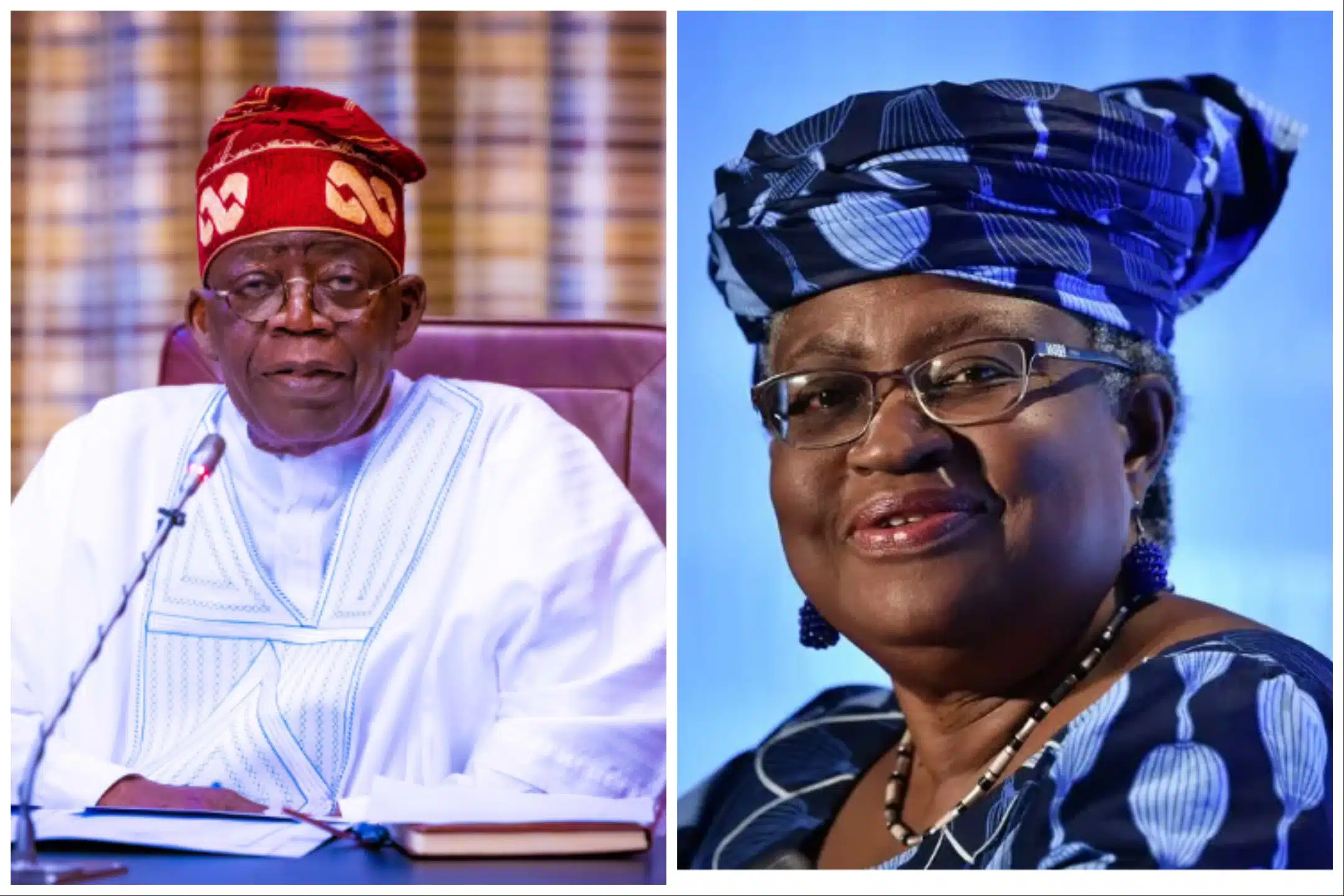
Dr. Ngozi Okonjo-Iweala, the Director-General of the World Trade Organization (WTO), has officially disassociated herself from a viral social media post that falsely attributes a condemnation of President Bola Tinubu to her. This incident highlights the ongoing challenges of misinformation in the digital age.
Clarifying the Misattribution
The misleading post gained traction on various social media platforms, leading many to believe that Okonjo-Iweala, a respected economist and former finance minister of Nigeria, had publicly criticized Tinubu. In her statement, she emphasized that the claims made in the post are false and do not reflect her views or statements.
Misinformation can spread rapidly, particularly on social media, where users often share content without verifying its accuracy. Okonjo-Iweala’s clarification aims to prevent further misunderstandings and to affirm her commitment to constructive dialogue rather than divisive rhetoric. She encourages individuals to rely on credible sources and verified information.
The viral post not only misrepresented her stance but also contributed to the ongoing political discourse surrounding President Tinubu’s administration. As Nigeria continues to navigate complex political and economic challenges, such misinformation can undermine efforts to foster unity and productive discussion among citizens.
The Importance of Responsible Communication
Okonjo-Iweala’s situation underscores the importance of responsible communication in today’s digital world. Public figures, especially those in leadership positions, often find themselves at the center of controversy due to misreported statements. This situation calls for heightened awareness among social media users regarding the information they consume and share.
To combat misinformation, individuals should take the time to verify claims before sharing them. Checking official statements, reputable news sources, and verified accounts can help mitigate the spread of false information. Additionally, public figures must remain vigilant in clarifying their positions to avoid being misrepresented.
The implications of misinformation extend beyond individual reputations. They can influence public opinion, sway political discourse, and even affect policy decisions. Therefore, fostering a culture of accountability in communication is essential for the health of democratic systems.
Conclusion: Okonjo-Iweala Denies Social Media Post Condemning Tinubu
In conclusion, Dr. Ngozi Okonjo-Iweala’s denial of the false social media post about Tinubu serves as a critical reminder of the challenges posed by misinformation. As influential figures navigate the complexities of public discourse, the responsibility to communicate accurately and transparently becomes increasingly vital.
To maintain the integrity of discussions around governance and policy, both public figures and citizens must engage in responsible communication. By doing so, they can contribute to a more informed and united society.
FAQ Section
What did Okonjo-Iweala deny?
Okonjo-Iweala denied a false social media post that attributed a condemnation of President Bola Tinubu to her.
Why is misinformation a concern?
Misinformation can spread rapidly, potentially influencing public opinion and undermining constructive political discourse.
How can individuals verify information?
Individuals can verify information by checking official statements, reputable news sources, and verified social media accounts.
What role do public figures play in combating misinformation?
Public figures should clarify their statements and engage in responsible communication to prevent misrepresentation and misinformation.


 Owen Kolawole
 Eva Oluwabunmi