occidental view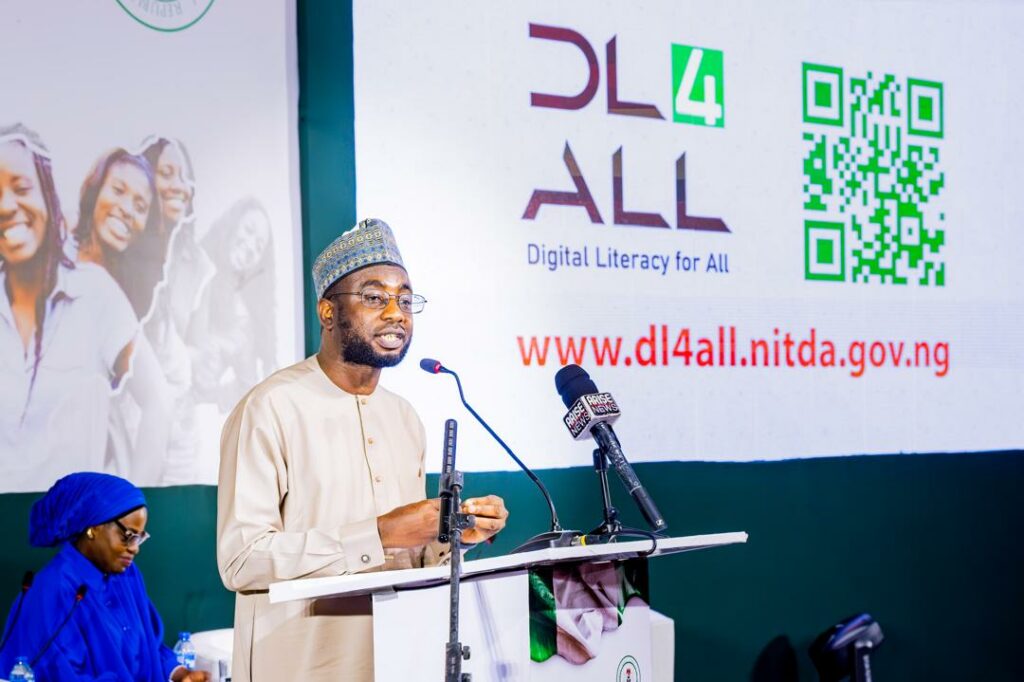
Kashifu Inuwa Abdullahi, the Director General of the National Information Technology Development Agency (NITDA), recently highlighted that Nigeria’s data centres consume as much power as Lagos. This statement underscores the pressing need for innovation in energy and digital infrastructure. The Nigeria data centre power consumption issue poses challenges and opportunities for the country’s technology sector.
Understanding Power Consumption in Data Centres
Abdullahi explained that artificial intelligence (AI) data centres are particularly power-hungry. As Nigeria embraces digital transformation, the demand for data processing and storage continues to rise. The growth of AI and other technologies necessitates robust infrastructure to support these advancements. “We must innovate to manage our energy consumption effectively,” Abdullahi emphasized.
The current power consumption levels raise concerns about sustainability. As data centres expand, they require significant energy resources, which can strain the national grid. This situation calls for a comprehensive strategy to meet energy demands while promoting eco-friendly practices. “Sustainable energy solutions are crucial as we advance our digital infrastructure,” he noted.
Investments in renewable energy sources can help alleviate the power demands of data centres. By harnessing solar, wind, and other sustainable energy options, Nigeria can reduce its reliance on conventional power sources. This shift will not only support data centre operations but also contribute to the country’s overall energy security.
The Role of Innovation
The Nigeria data centre power consumption issue highlights the need for innovative solutions in the tech industry. Abdullahi urged stakeholders to explore new technologies that improve energy efficiency. This includes the adoption of energy-efficient hardware and advanced cooling technologies that can significantly reduce energy usage.
Collaboration between government and private sectors will play a vital role in driving innovation. By working together, stakeholders can develop strategies that ensure the sustainability of data centres. “We need joint efforts to create a supportive environment for innovation,” Abdullahi stated.
Furthermore, educational initiatives can raise awareness about energy-efficient practices among tech professionals. By training the workforce on sustainable technologies, Nigeria can build a tech ecosystem that prioritizes energy efficiency. This approach will prepare the industry for future challenges related to power consumption.
Looking Ahead
As Nigeria continues to develop its digital landscape, addressing the Nigeria data centre power consumption challenge will be essential. The country has the potential to become a leader in the tech sector, but this requires a commitment to sustainable practices. Abdullahi’s insights emphasize the urgency of integrating energy innovation into Nigeria’s digital transformation strategy.
In conclusion, Kashifu Inuwa Abdullahi has brought attention to the significant power demands of Nigeria’s data centres. By focusing on innovation and sustainability, Nigeria can navigate the challenges posed by high energy consumption. The path forward involves collaboration, investment in renewable energy, and a commitment to efficiency. As the nation embraces digital advancements, it must also ensure that its energy practices align with a sustainable future.


 Cynthia Temiloluwa
 Leo Gbolagade