occidental view
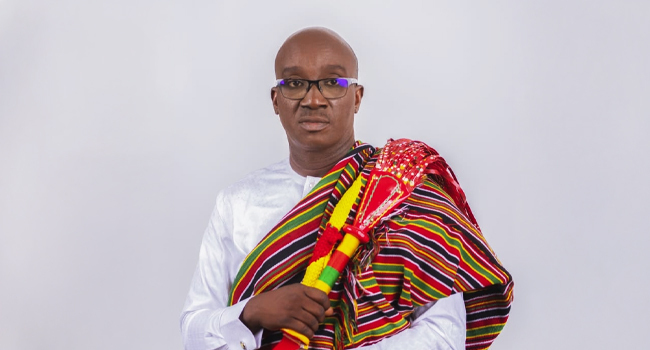
The National Coordinator of the National Counter Terrorism Center (NCTC), Maj-Gen. Garba Adamu Laka, has praised the United Kingdom’s decision to lift the travel ban on Kaduna. This decision is seen as a positive step toward improving the security situation in the region. The lifting of the ban reflects confidence in Nigeria’s ongoing efforts to combat terrorism and enhance safety for both residents and visitors.
Significance of the Travel Ban Lift
The travel ban had previously raised concerns about security in Kaduna, a region that has faced numerous challenges related to terrorism and violence. By lifting the ban, the UK acknowledges the strides made by Nigeria in addressing these security challenges. This move is expected to encourage tourism and business engagements in Kaduna, which had been adversely affected by the restrictions.
Maj-Gen. Laka emphasized that the lifting of the travel ban demonstrates international recognition of Nigeria’s counterterrorism efforts. It sends a powerful message that the situation is improving and that Kaduna is becoming a safer destination. This acknowledgment can boost local morale and foster a sense of security among residents.
The ban’s removal also opens the door for increased diplomatic and economic relations between Nigeria and the UK. As travel restrictions ease, opportunities for collaboration in various sectors, including trade, education, and tourism, are likely to expand. This can lead to greater investment and development in Kaduna and surrounding areas.
Ongoing Efforts in Counterterrorism
While the lifting of the travel ban is a positive development, Maj-Gen. Laka emphasized that the fight against terrorism is ongoing. The NCTC continues to work closely with local and international partners to ensure sustained security improvements. This includes intelligence sharing, community engagement, and capacity building among security agencies.
The NCTC is committed to addressing the root causes of terrorism in the region. By focusing on socioeconomic factors and promoting education and opportunities, the agency aims to reduce the allure of extremist ideologies. Engaging communities in the fight against terrorism is essential for long-term stability.
Additionally, the NCTC is enhancing its operational strategies to better respond to emerging threats. Continuous training and better equipment for security personnel are vital components of this approach. By strengthening the capabilities of security forces, the NCTC aims to deter potential threats effectively.
In conclusion, the UK’s decision to lift the Kaduna travel ban is a significant milestone for Nigeria’s counterterrorism efforts. Maj-Gen. Garba Adamu Laka’s praise of this decision underscores the importance of international recognition in fostering security and stability. As Nigeria continues to combat terrorism and improve safety, the potential for growth and development in Kaduna is promising. The NCTC’s ongoing commitment to enhancing security will play a crucial role in ensuring that this progress is sustained in the future.