occidental view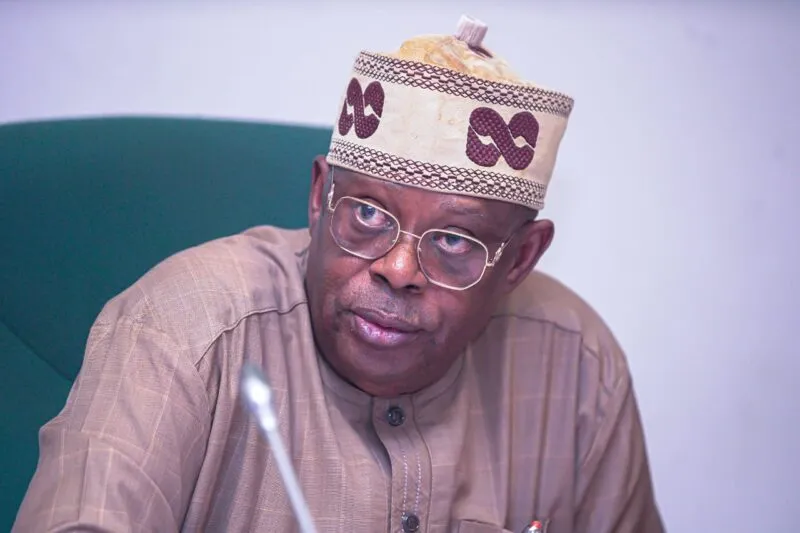
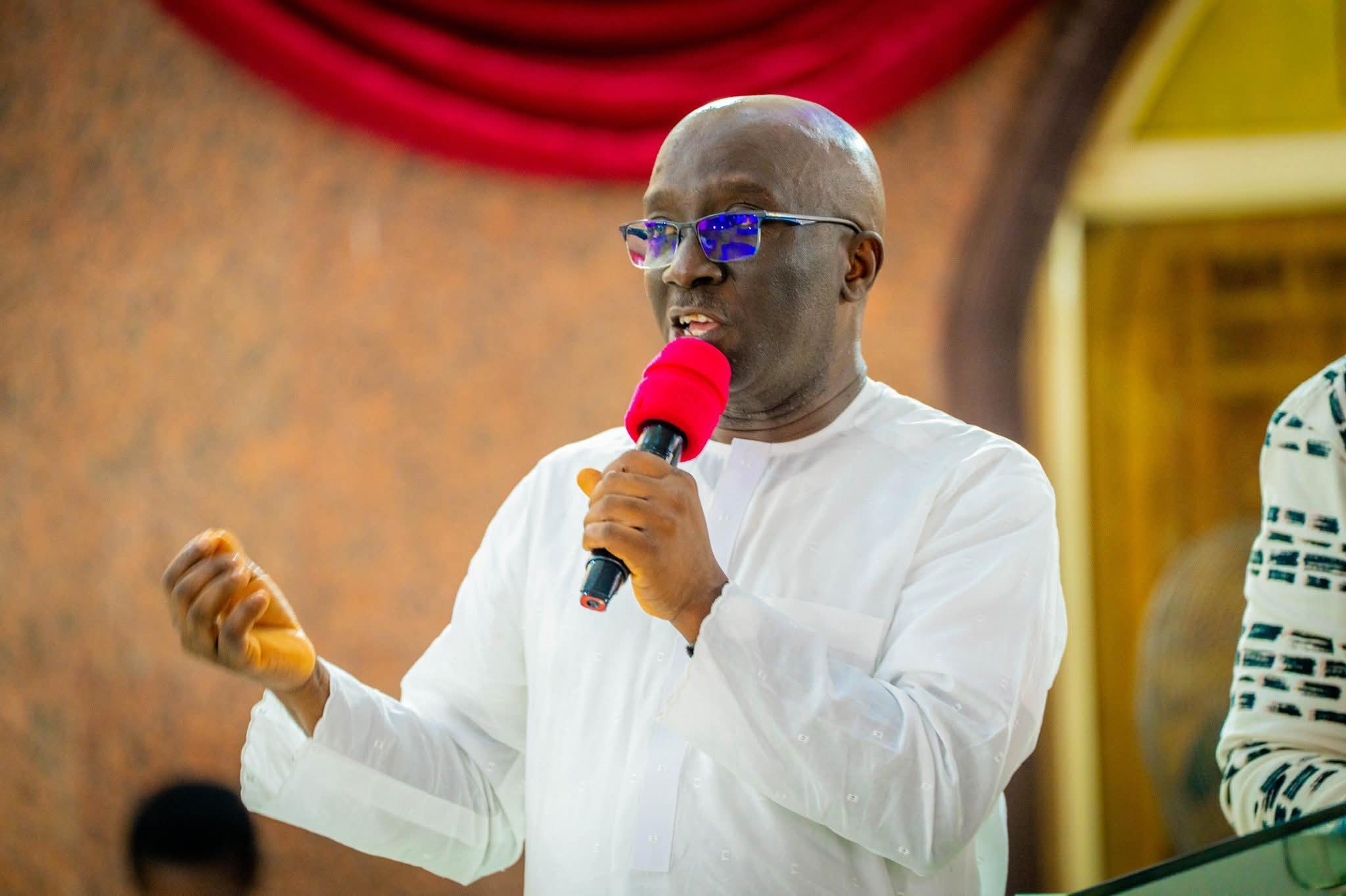
Hon. Faleke has expressed strong support for the Libya and Nigeria gas pipeline project aimed at supplying Europe. This initiative represents a significant collaboration between the two nations, focusing on enhancing energy security and diversifying energy sources for European markets. The project could have far-reaching implications for both countries and the broader region.
Strengthening Energy Partnerships
During his remarks, Hon. Faleke emphasized the importance of international partnerships in the energy sector. The gas pipeline project symbolizes a critical step in fostering cooperation between Libya and Nigeria. Both countries possess vast natural gas reserves, making them strategic allies in meeting Europe’s growing energy demands.
Faleke noted that this project could not only benefit the economies of Libya and Nigeria but also contribute to global energy stability. By providing a reliable source of natural gas to Europe, both nations can enhance their geopolitical significance. This partnership has the potential to attract foreign investment and create jobs in both countries.
Moreover, the minister highlighted the necessity of aligning this project with international standards. Ensuring that the pipeline adheres to environmental and safety regulations is crucial for its long-term success. By committing to sustainable practices, both countries can demonstrate their dedication to responsible energy production.
Economic and Social Impacts
Hon. Faleke pointed out that the gas pipeline project could lead to significant economic and social impacts. By facilitating the transportation of natural gas to Europe, the initiative could generate substantial revenue for both nations. This income can be reinvested in local communities, infrastructure, and social services.
Additionally, the project may create job opportunities throughout the supply chain. From construction to operation, many sectors will benefit, leading to improved livelihoods for many people. This economic boost could play a vital role in addressing unemployment and enhancing living standards.
He also emphasized the importance of community engagement in the project. Local stakeholders should be involved in discussions to ensure their needs and concerns are addressed. This inclusivity will foster a sense of ownership and support for the project within the communities affected.
Conclusion – Hon. Faleke Supports Libya-Nigeria Gas Pipeline Project
In conclusion, Hon. Faleke’s support for the Libya and Nigeria gas pipeline project underscores its potential to reshape the energy landscape. By strengthening partnerships and focusing on sustainable practices, both countries can enhance their roles in the global energy market. The anticipated economic and social benefits make this project crucial for regional development. As discussions progress, the hope is for a successful collaboration that brings prosperity to both Libya and Nigeria.

 Kyle Fasina