David Benjamin
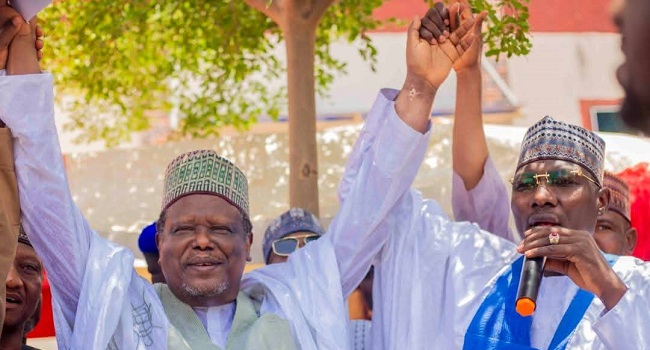
As political preparations gradually intensify ahead of the 2027 general elections, the Governor of Kano State, Abba Kabir Yusuf, has pledged to work tirelessly to secure the re-election of President Bola Ahmed Tinubu. The governor also assured firm political support for the All Progressives Congress (APC) in Kano, signaling a significant political alignment within the state.
This declaration highlights the growing political discussions surrounding the next general election cycle. Across Nigeria, political leaders continue to position themselves and their alliances as the 2027 elections slowly approach.
Governor Yusuf’s pledge therefore represents an important political development in northern Nigeria, particularly in Kano, one of the country’s most politically influential states.
Kano’s Strategic Role in National Politics
Kano State has long played a decisive role in Nigeria’s electoral landscape. With one of the largest voter populations in the country, the state often influences the outcome of presidential elections.
Political parties therefore pay close attention to developments in Kano’s political structure. Support from the state’s leadership can significantly shape national political calculations.
Governor Abba Kabir Yusuf emphasized the importance of maintaining strong political organization within the state. He noted that effective political coordination would help strengthen the presence of the All Progressives Congress ahead of the next electoral cycle.
Such strategic positioning reflects the broader efforts by political actors to consolidate support across key regions of the country.
Strengthening Party Structures
Political success often depends on strong party structures at the grassroots level. Governor Yusuf stressed the importance of mobilizing supporters, strengthening party unity, and expanding political outreach within communities across Kano.
Building strong grassroots networks helps political parties maintain voter confidence and sustain political momentum. Therefore, efforts to reinforce party organization remain a major priority.
By pledging support for President Bola Ahmed Tinubu, the governor signaled a commitment to strengthening political cooperation within the ruling party’s network.
Observers believe such alignments could influence future political strategies across several northern states.
Political Collaboration and National Unity
Political cooperation between national and state leaders often plays a vital role in governance and development. Strong relationships between political actors can help improve policy coordination and strengthen governance structures.
Governor Yusuf’s remarks therefore reflect a broader message about political collaboration. Supporting national leadership while strengthening local political systems could help promote stability and continuity within Nigeria’s democratic framework.
Furthermore, political collaboration often helps ensure that development priorities remain aligned across different levels of government.
Such alignment can accelerate infrastructure development, economic initiatives, and social programmes that benefit citizens.
Preparing for the Future Political Landscape
Although the 2027 general elections remain some time away, political preparations typically begin years in advance. Political parties often use this period to reorganize their structures, build alliances, and strengthen voter engagement.
Across Nigeria, various political leaders continue to shape early narratives about the next electoral contest.
Governor Abba Kabir Yusuf’s commitment to supporting the re-election of President Bola Ahmed Tinubu reflects one of the emerging political signals within this evolving landscape.
As political conversations continue to develop, stakeholders across the country will likely intensify efforts to build strong alliances and mobilize supporters.
Looking Ahead to 2027
Nigeria’s democratic system thrives on political participation, strategic planning, and open engagement among political actors.
Statements such as Governor Yusuf’s pledge illustrate the dynamic nature of Nigeria’s political environment. Leaders continue to position themselves and their alliances in preparation for future elections.
As the road to 2027 gradually unfolds, political developments across states like Kano State will remain closely watched.
Ultimately, the coming years will shape the alliances, strategies, and political narratives that will define Nigeria’s next general election.